
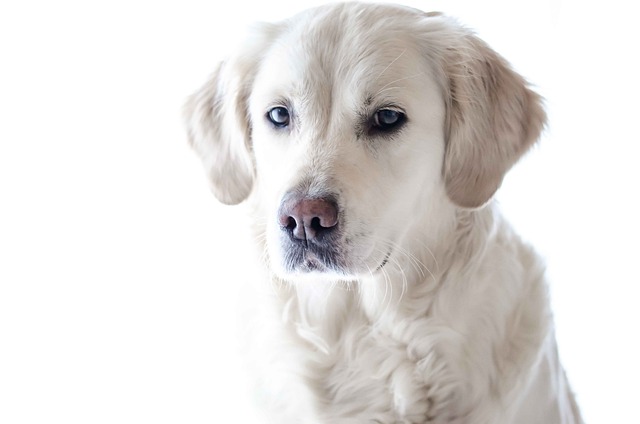
How can I tell if my dog's heatstroke is serious
Let’s be real: It’s a sticky August morning in Los Angeles, and you took your 2-year-old Golden Retriever, Max, for a walk a little later than usual
That moment when your dog starts trembling during a thunderstorm or paces nervously during a neighborhood fireworks display can leave any pet owner feeling helpless. While some reach for anxiety vests or supplements, one of the most immediate and effective calming tools is already at your fingertips—literally. Knowing exactly where and how to pet your dog can significantly reduce their stress levels, turning panic into peace within minutes.
The science behind calming touch lies in the activation of pressure receptors and the release of oxytocin. When you apply gentle, sustained pressure to specific areas, it stimulates the parasympathetic nervous system, slowing the heart rate and reducing cortisol production. The most effective calming zones are where dogs naturally touch each other during peaceful interactions: the base of the neck where mothers carry pups, the broad forehead between the eyes, and along the upper back where grooming occurs. These areas contain clusters of nerve endings that respond to rhythmic, predictable strokes rather than random pats.
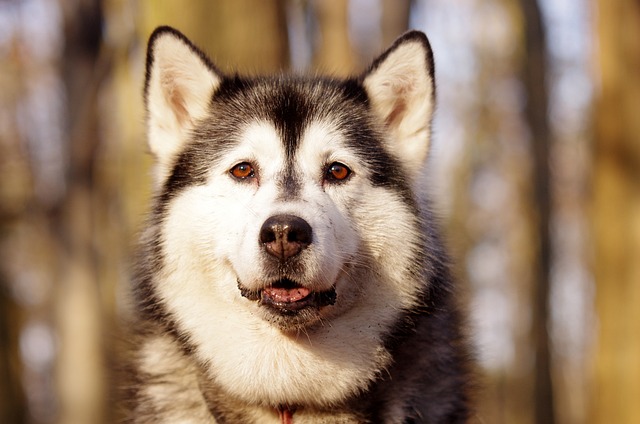
Start by observing your dog's body language—if they're showing whale eye or pinned ears, approach slowly from the side rather than head-on. Begin with stationary palm pressure rather than movement; rest your flat hand firmly on their chest between the front legs for 10-15 seconds before initiating any strokes. Then use long, slow strokes from neck to tail using your entire palm, maintaining constant contact. The pressure should be firm enough to move the skin without causing discomfort. For apartment dogs stressed by hallway noises, combine this with counter-conditioning by offering high-value treats with each footstep sound outside your door. The goal is to create positive associations while the calming touch lowers their baseline anxiety.
This gentle approach aligns perfectly with modern animal welfare standards that prohibit forceful restraint. In fact, many European countries now mandate positive reinforcement training methods, considering physical coercion a violation of animal rights. Your calming efforts also intersect with legal responsibilities—an anxious dog is more likely to have elimination accidents in common areas, making prompt cleanup with biodegradable bags not just courteous but legally required in cities like San Francisco and Seattle. Similarly, ensuring your dog's rabies vaccination is current becomes particularly important when dealing with anxiety-induced behaviors, as stressed dogs may react unpredictably during encounters with neighbors or other pets.
Remember that calming touch is most effective when combined with other responsible ownership practices. A well-exercised dog with proper mental stimulation will respond better to soothing techniques than one pent up from insufficient activity. By integrating these methods into your daily routine, you're not just managing anxiety—you're building a deeper bond based on trust and mutual understanding.
Let’s be real: It’s a sticky August morning in Los Angeles, and you took your 2-year-old Golden Retriever, Max, for a walk a little later than usual
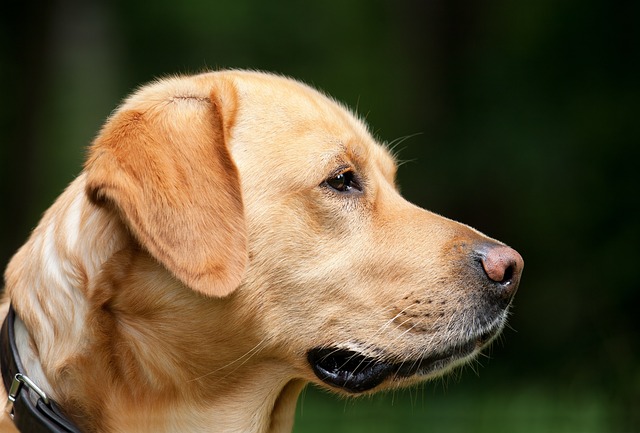
You're enjoying a summer afternoon at the park when you notice your dog has stopped panting and appears disoriented - their gums are bright red
Let’s paint the picture: You’re in your Denver apartment, watching your 4-year-old Boston Terrier, Ruby, plop down mid-play session with her favorite toy

Many dog owners notice their pets nails seem shorter after regular walks,but how much does this daily activity actually help?The answer depends on where you walk—concrete sidewalks or asphalt streets gently file nails as a dog's paws hit the ground
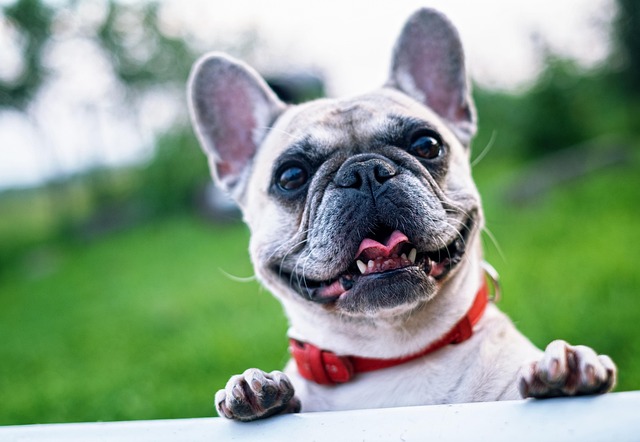
Most dog owners notice their pup scooting across the carpet at some point, but few connect it to impacted anal glands. These small sacs near a dog’s rectum secrete a scent for marking territory
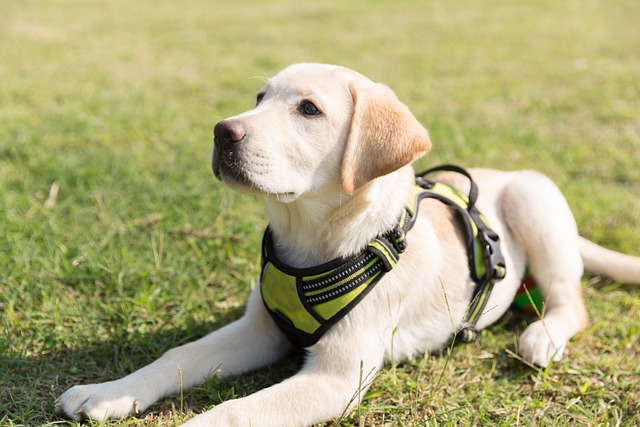
Most vets agree that regular dog teeth cleaning is key to avoiding painful dental issues later. For healthy adult dogs, a professional cleaning at the vet’s office every 12 to 18 months usually works well.