

How can I tell if my dog's heatstroke is serious
Let’s be real: It’s a sticky August morning in Los Angeles, and you took your 2-year-old Golden Retriever, Max, for a walk a little later than usual
If you’re a new owner of a tiny pup—whether it’s a Chihuahua, Yorkie, or Shih Tzu—navigating the pet food aisle can feel overwhelming. With so many options, how do you know which food is truly good for your small dog? The key is to prioritize formulas tailored to their unique needs: fast metabolisms, tiny mouths, and a tendency toward weight gain. For apartment-dwelling owners who love their compact companions, choosing the right food keeps them energetic, healthy, and ready for playtime on the couch or walks around the block.
Small dogs (under 22 pounds) burn calories faster than larger breeds, so they need nutrient-dense food with more calories per cup to stay fueled. Their tiny jaws and teeth also require small kibble pieces to chew safely—big kibble can be a choking hazard or leave them too frustrated to eat. Plus, they’re prone to dental issues and obesity, so good food should support oral health and be portion-friendly. My friend’s 3-pound Maltese, Lila, struggled with generic dog food until she switched to a small-breed formula—suddenly, Lila stopped skipping meals and had more energy to chase her toys. Generic foods often have large kibble and low calorie density, which just doesn’t fit a small dog’s biology.

When shopping, look for “small breed” or “toy breed” on the label—these formulas are designed specifically for their size. Prioritize high-quality protein (chicken, turkey, or fish) as the first ingredient; avoid foods with fillers like corn, wheat, or artificial preservatives. For puppies under 12–18 months, choose “small breed puppy” food for extra growth support; for adults, stick to adult formulas. Add healthy supplements in moderation: a spoonful of plain yogurt (probiotics for digestion), steamed green beans (low-calorie crunch), or a tiny piece of cooked chicken (protein boost). For apartment owners short on space, opt for smaller bags to keep food fresh, and use a measuring cup to avoid overfeeding—even a few extra kibbles can lead to weight gain. Use mealtime as training time: reward good behavior with a few pieces of their kibble (positive reinforcement works wonders!) instead of scolding them for being picky.
Before taking your small dog for daily walks, confirm their rabies vaccine is up to date—required in all U.S. states—and core shots are current. Always carry poop bags: leaving messes in apartment hallways or parks isn’t just rude; cities like Chicago fine owners up to $500, and it keeps shared spaces clean for everyone.
Choosing good food for your small dog is simple once you know what to look for. With the right formula and portion control, your tiny pup will thrive.
Let’s be real: It’s a sticky August morning in Los Angeles, and you took your 2-year-old Golden Retriever, Max, for a walk a little later than usual

You're enjoying a summer afternoon at the park when you notice your dog has stopped panting and appears disoriented - their gums are bright red

Let’s paint the picture: You’re in your Denver apartment, watching your 4-year-old Boston Terrier, Ruby, plop down mid-play session with her favorite toy

Many dog owners notice their pets nails seem shorter after regular walks,but how much does this daily activity actually help?The answer depends on where you walk—concrete sidewalks or asphalt streets gently file nails as a dog's paws hit the ground
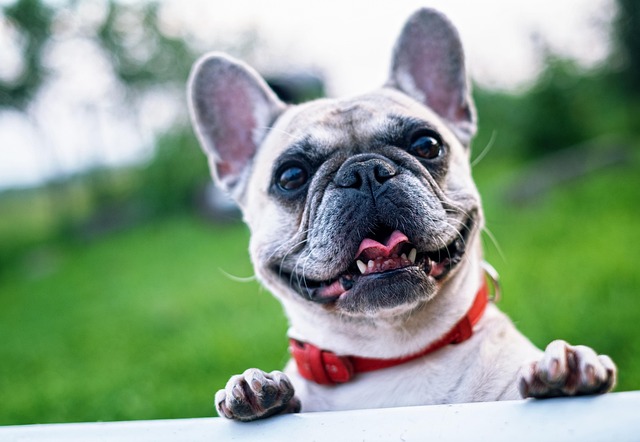
Most dog owners notice their pup scooting across the carpet at some point, but few connect it to impacted anal glands. These small sacs near a dog’s rectum secrete a scent for marking territory

Most vets agree that regular dog teeth cleaning is key to avoiding painful dental issues later. For healthy adult dogs, a professional cleaning at the vet’s office every 12 to 18 months usually works well.