
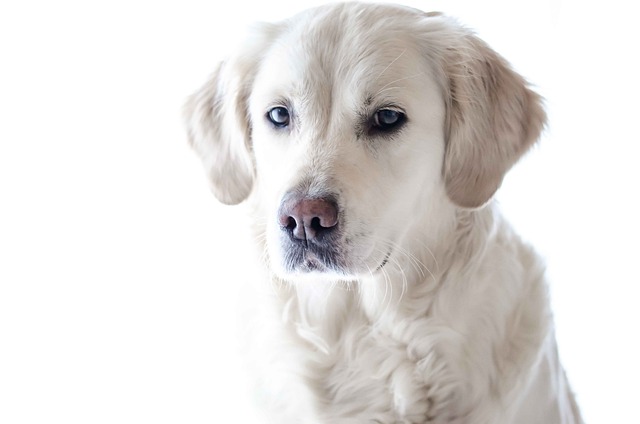
How can I tell if my dog's heatstroke is serious
Let’s be real: It’s a sticky August morning in Los Angeles, and you took your 2-year-old Golden Retriever, Max, for a walk a little later than usual
In the warm daily life accompanied by the dog, I joyfully prepared a comfortable dog house for it, but the dog is "not cold" to the dog house and would rather sleep on the cold floor, which makes many owners feel confused and disappointed. Why don't dogs like to sleep in dog beds? There may be multiple complex reasons behind this that require us to delve deeper into.
From a natural perspective, the ancestor of dogs, wolves, were social animals that were accustomed to seeking warmth and security in groups. In the wild, wolves choose to rest in caves or sheltered places, which not only provide shelter from wind and rain, but also keep them alert and observe the movements around them while resting. Although modern dogs have been domesticated, this instinct still exists. If the placement of the kennel makes the dog feel insecure, such as in the center of an open room without any obstruction, the dog may not want to sleep in. At first, my dog didn't like to sleep in a doghouse either. I found that he always liked to curl up behind the sofa, which was relatively hidden and seemed more at ease.
The environmental factors of dog kennels also have a significant impact on the choice of dogs. If the material of the dog kennel is uncomfortable, such as being too hard and not breathable, the dog will feel uncomfortable sleeping on it and naturally reject it. Imagine if the bed we sleep on is hard and stuffy, we will also have difficulty falling asleep. Moreover, the inappropriate size of the dog's kennel can also make the dog feel uncomfortable. A too small dog kennel can make dogs feel cramped and unable to stretch their bodies freely; A dog kennel that is too large can make dogs feel insecure and empty. In addition, the cleanliness and hygiene of dog kennels are also crucial. If a dog's kennel is not cleaned for a long time, it emits a strange odor and breeds bacteria and mites. The dog's sensitive sense of smell will make them stay away from such a kennel.
The emotional connection between a dog and its owner may also lead to its dislike of sleeping in dog beds. Dogs are highly dependent on their owners and crave to be by their side at all times. For them, the owner's side is the warmest and safest place. If the owner always leaves the dog alone in the kennel and rarely interacts with it, the dog may feel neglected and therefore unwilling to stay in the kennel. Every time I work overtime and come home late, my dog always stays at the door. When I come back, it closely follows me, preferring to lie at my feet rather than return to the kennel. At that moment, I could truly feel its dependence on me.
Another easily overlooked reason is the personality differences of dogs. Every dog has its own unique personality, just like humans, their preferences are different. Some dogs may naturally prefer spacious spaces, while others prefer small, warm corners. Some dogs may have a special fondness for soft cushions, while others find harder surfaces more comfortable. So, it cannot be generalized that all dogs should enjoy sleeping in their kennels.
Since we know the reasons why dogs don't like to sleep in their kennels, how can we make them fall in love with their little nest? Firstly, it is necessary to choose a suitable kennel for the dog. Choose a dog bed of appropriate size based on the dog's body size to ensure that it can move freely inside. In terms of material, choose soft, breathable, and warm materials, such as cotton or plush pads, to make it more comfortable for dogs to sleep on. At the same time, the dog's kennel should be placed in a quiet, warm, and relatively concealed place to give the dog a sufficient sense of security.
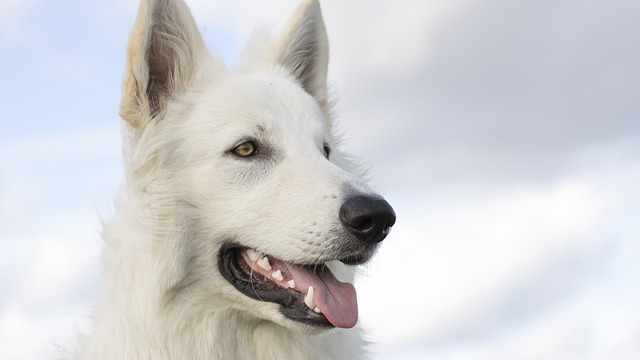
Maintaining the cleanliness and hygiene of the dog kennel is also very important. Regularly clean the dog bed mat to remove odors and bacteria, keeping the dog bed clean and tidy at all times. You can put some toys that the dog likes or old clothes with the owner's scent in the dog house, so that the dog can also feel the owner's scent in the dog house and increase its liking for the dog house.
Owners should also spend more time with their dogs to enhance their relationship with each other. When the dog is resting, gently stroke it, so that it can also feel warmth and care in the kennel. When a dog takes the initiative to sleep in a kennel, it is important to give timely praise and rewards, such as giving it some snacks, to let it know that sleeping in a kennel is a great thing.
Dogs don't like to sleep in dog beds not because they intentionally cause trouble, but because there are various reasons behind it. As the closest companion of dogs, we should take care to understand their needs and feelings, and guide them with love and patience. When we see a dog finally willing to sleep peacefully in its kennel, enjoying warmth and comfort, our hearts will also be filled with comfort and joy. Let's create a cozy little nest for dogs through our actions, accompanying them through every peaceful night.
Let’s be real: It’s a sticky August morning in Los Angeles, and you took your 2-year-old Golden Retriever, Max, for a walk a little later than usual
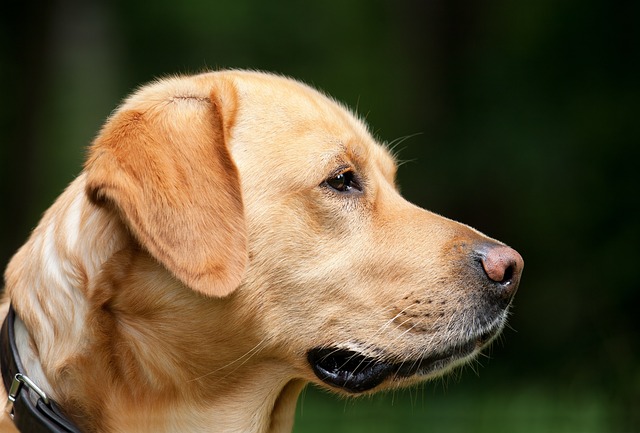
You're enjoying a summer afternoon at the park when you notice your dog has stopped panting and appears disoriented - their gums are bright red
Let’s paint the picture: You’re in your Denver apartment, watching your 4-year-old Boston Terrier, Ruby, plop down mid-play session with her favorite toy

Many dog owners notice their pets nails seem shorter after regular walks,but how much does this daily activity actually help?The answer depends on where you walk—concrete sidewalks or asphalt streets gently file nails as a dog's paws hit the ground
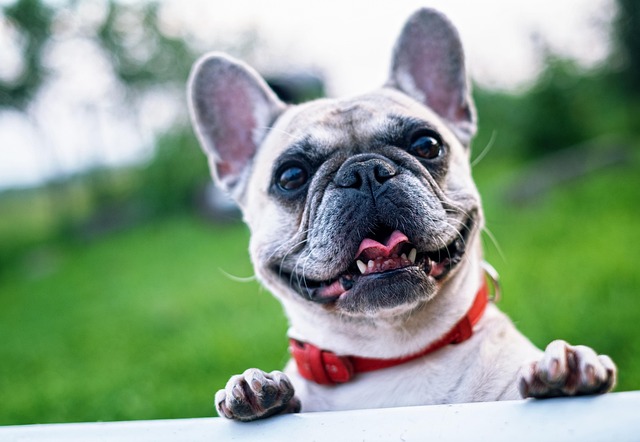
Most dog owners notice their pup scooting across the carpet at some point, but few connect it to impacted anal glands. These small sacs near a dog’s rectum secrete a scent for marking territory
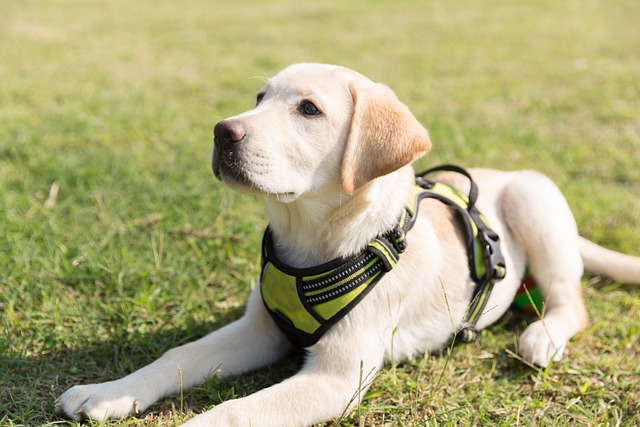
Most vets agree that regular dog teeth cleaning is key to avoiding painful dental issues later. For healthy adult dogs, a professional cleaning at the vet’s office every 12 to 18 months usually works well.