
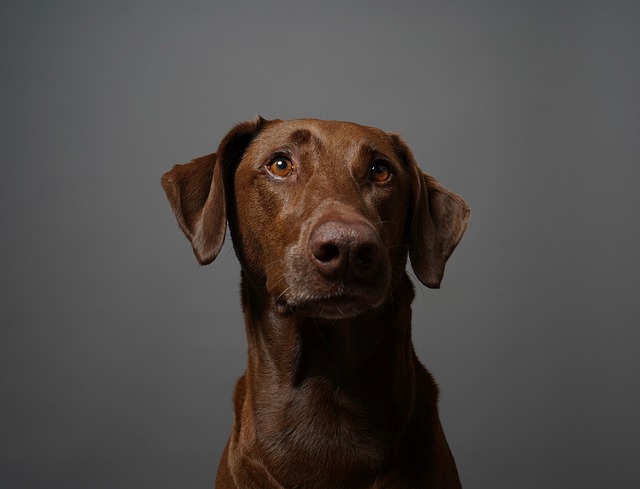
What is glaucoma in a dog?
You might notice your dog squinting more at mealtime or avoiding bright sunlight—these small changes could be early signs of a serious eye condition.
Picture refreshing your dog’s water bowl, only to find it untouched for hours. A sudden drop in water intake isn’t just puzzling—it can signal serious health risks. Let’s explore the common causes with veterinary insights and real pet parent stories, blending compassion with practical solutions.
Medical issues often lie at the root. My neighbor’s Bulldog, Winston, stopped drinking overnight—turns out he had a urinary tract infection. "Pain while urinating can reduce thirst," his vet explained. Antibiotics and pain relief restored his normal intake within days.
Dental pain discourages drinking. When my senior Poodle, Daisy, avoided her water bowl, I noticed inflamed gums. "Mouth ulcers or loose teeth make swallowing uncomfortable," my vet said. A dental cleaning and soft food regime got her drinking again.
Kidney or liver dysfunction suppresses thirst. Daisy’s sister, Lily, drank less as her kidneys weakened. "Failing organs disrupt the body’s fluid balance," the vet warned. A special diet and medication helped manage her hydration.
Environmental factors play a key role. My friend’s Husky, Koda, refused water after she switched to a plastic bowl—he associated it with the vet’s office. "Dogs are sensitive to bowl material and location," a behaviorist noted. Switching to a stainless steel bowl in a quiet corner solved the issue.
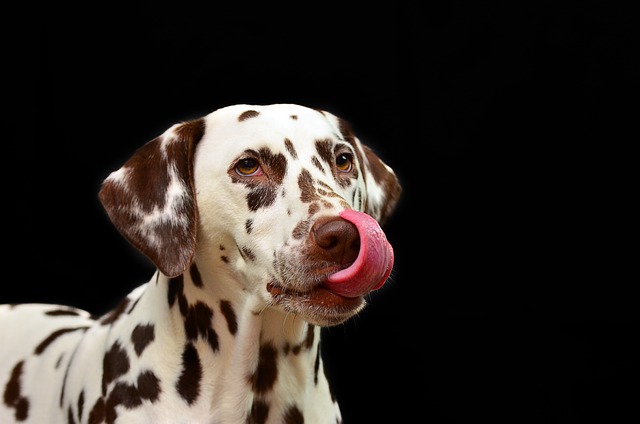
Anxiety or stress dehydrates dogs. When I moved houses, my rescue mutt, Bella, barely sipped water for days. "Change triggers stress, which affects the adrenal glands," my vet said. A pheromone diffuser and gradual routine rebuilding helped her relax.
Temperature matters too. Koda also drank less in winter, preferring warm water. "Cold water may feel unappealing in chilly weather," a trainer observed. Offering lukewarm water in a heated bowl increased his intake.
Diet composition impacts thirst. Dogs on high-moisture diets (like raw or wet food) naturally drink less. My Labradoodle, who eats mostly wet food, needs less water than his kibble-fed peers. "Monitor urine color—pale yellow means proper hydration," my vet advises.
Negative past experiences create aversions. Bella, who was scolded for spilling water as a puppy, avoided her bowl. "Trauma associated with water can linger," a behaviorist explained. Positive reinforcement (rewarding gentle sipping) helped her overcome the fear.
Medication side effects reduce thirst. Winston’s arthritis pills temporarily decreased his urge to drink. "Some drugs dry out the body’s tissues," his vet noted. Increasing fresh food moisture and monitoring closely resolved the issue.
Young puppies may forget to drink. My neighbor’s 12-week-old Golden Retriever, Charlie, played nonstop without drinking. "Puppies get distracted—place water bowls in play areas," her breeder advised. Now he sips regularly beside his toys.
Local animal welfare laws emphasize hydration. In the EU, failing to provide clean water is a legal offense; in California, neglecting hydration can lead to fines or pet removal. "Access to water is a basic right under animal welfare acts," a lawyer friend reminds me.
Home remedies to encourage drinking. Add low-sodium chicken broth to water for flavor (my go-to for Daisy). Use a shallow bowl for flat-faced breeds like Bulldogs—Winston drinks easier now. "Creativity beats force-feeding," my vet smiles.
Always consult a vet first. For Bella, ruling out medical causes before addressing behavior was critical. "Dehydration can lead to organ damage if ignored," my vet warns. A simple blood test could save your dog’s life.
Understanding your dog’s water intake is an act of love. For my fur family, each sip tells a story—whether of pain, stress, or preference. With patience, observation, and timely veterinary care, you can ensure your pup stays hydrated, happy, and healthy.
You might notice your dog squinting more at mealtime or avoiding bright sunlight—these small changes could be early signs of a serious eye condition.
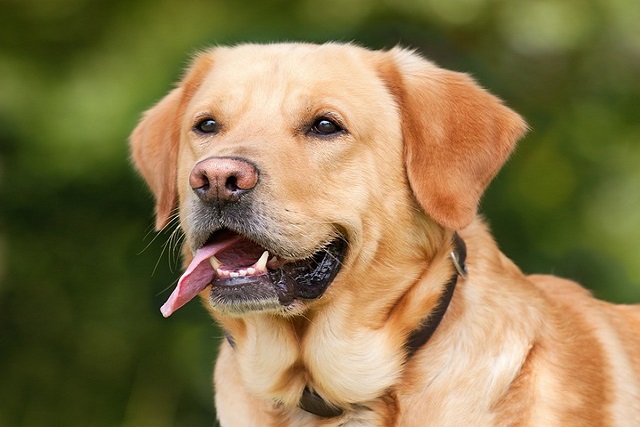
Let’s set the scene: It’s a sweltering Phoenix afternoon—105°F outside—and you rushed your 2-year-old Lab mix, Cooper, on a quick walk to “get it over with.”
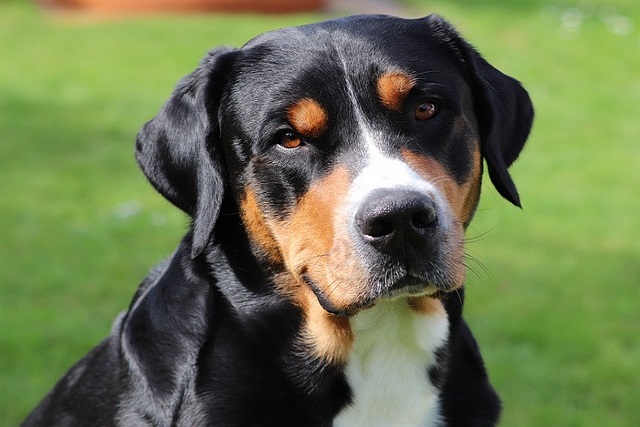
Let’s get real: You’re in your Miami apartment, watching your 3-year-old Corgi, Loki, struggle to climb the stairs to your second-floor unit.
Many dog owners brush off occasional scratching as just “dog behavior,” but persistent itching often signals something more—like a food allergy.
You might first notice your dog scratching more than usual—chewing at their paws until the fur looks thin, or rubbing their face against the couch nonstop.
Let’s be real: You’re standing in your Chicago apartment, watching your 3-year-old Beagle, Max, huff and puff just to climb onto the couch.