
What is glaucoma in a dog?
You might notice your dog squinting more at mealtime or avoiding bright sunlight—these small changes could be early signs of a serious eye condition.
It’s a Tuesday evening in your Brooklyn apartment building, and you’re kneeling to scratch your shepherd mix, Leo, behind the ears—his favorite spot. From down the hallway, a neighbor’s poodle trots toward the elevator, and suddenly Leo’s growl rumbles low in his throat. He twists away from your hand, lips curling as he lunges toward the poodle, leash straining. You freeze: “He’s fine with me alone, so why this?” Let’s unpack it—this isn’t random aggression; it’s often about what your affection means to him.
To Leo, your attention isn’t just nice—it’s a resource, like a favorite toy or a bowl of food. When another dog approaches while you’re petting him, his brain yells, “Don’t take this away!” This “resource guarding” is hardwired: in the wild, keeping valuable things (like a warm spot or food) meant survival. For house dogs, that “valuable thing” can be your lap, your voice, or even the act of being petted. A trainer in Portland calls it “affection guarding”—think of it like a kid clutching a toy when a sibling walks by, not because they’re mean, but because they’re scared of losing something good. Puppies who didn’t learn to share human attention (maybe they were the only pet in their first home) often grow up extra protective of these moments.
Here’s how to help: Start small, in a quiet room. Have a friend stand 10 feet away with their calm dog, while you pet Leo. The second he notices the other dog, toss him a high-value treat (think freeze-dried chicken, not kibble) and keep petting. Do this daily, moving the friend 2 feet closer each week—only if Leo stays relaxed. If he tenses, step back. My cousin in Chicago did this with her terrier, Mabel, using a clicker to mark “good behavior” (no growling) before giving treats. Over six weeks, Mabel went from lunging to glancing at the other dog, then looking back at my cousin for more pets. The key? Show him “other dogs near + my petting = extra treats,” not “other dogs near = losing my person.”
Apartment living adds layers: Hallways are tight, so keep Leo on a short leash when greeting neighbors. If another dog approaches while you’re petting him, pause the scratches, stand up, and redirect Leo with a toy—no need to force interaction. Always carry poop bags (NYC fines $250 for skipping them) and confirm his rabies vaccine is current; most dog runs in the city require proof. And never scold or hit him for growling—that shuts down his warning system, making future reactions scarier (no growl, just a snap). Positive reinforcement—praising calmness—builds trust way better.
By spring, you might find Leo leaning into your pets even as the poodle passes by, tail thumping instead of tensing. That’s the shift: he learns your affection isn’t something to guard—it’s something that sticks around, even when other dogs are near.
You might notice your dog squinting more at mealtime or avoiding bright sunlight—these small changes could be early signs of a serious eye condition.
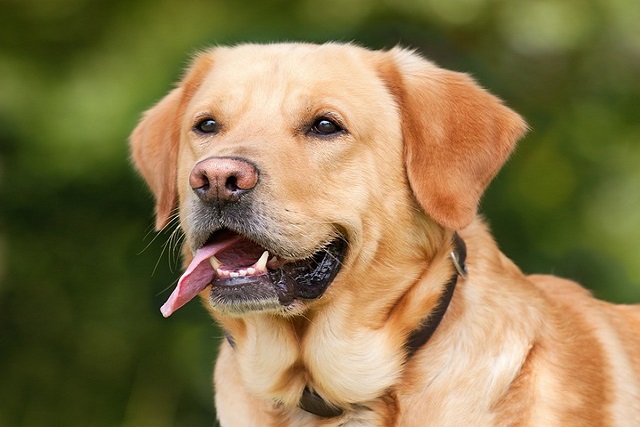
Let’s set the scene: It’s a sweltering Phoenix afternoon—105°F outside—and you rushed your 2-year-old Lab mix, Cooper, on a quick walk to “get it over with.”
Let’s get real: You’re in your Miami apartment, watching your 3-year-old Corgi, Loki, struggle to climb the stairs to your second-floor unit.
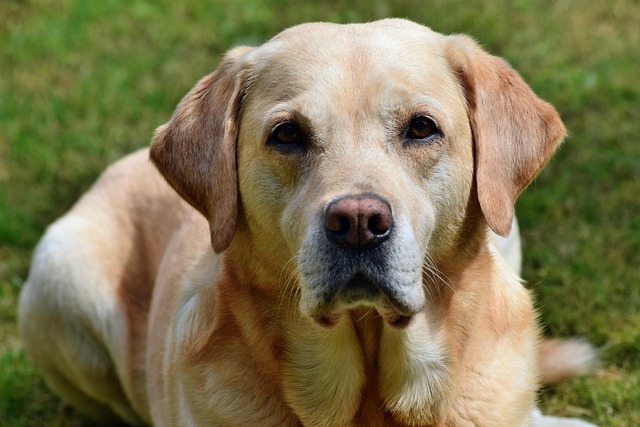
Many dog owners brush off occasional scratching as just “dog behavior,” but persistent itching often signals something more—like a food allergy.
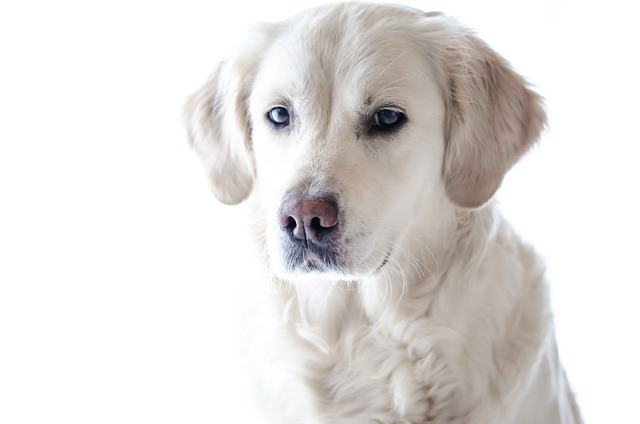
You might first notice your dog scratching more than usual—chewing at their paws until the fur looks thin, or rubbing their face against the couch nonstop.
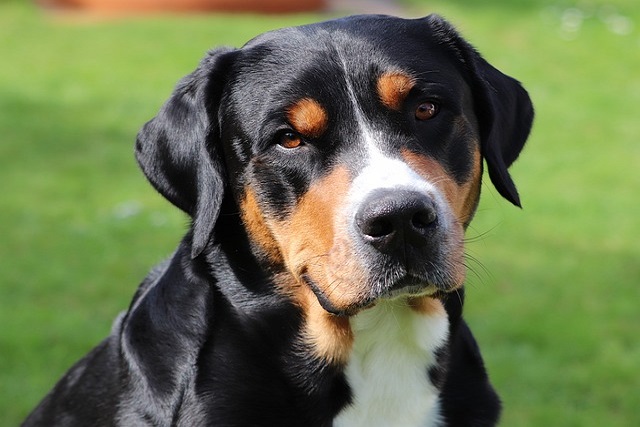
Let’s be real: You’re standing in your Chicago apartment, watching your 3-year-old Beagle, Max, huff and puff just to climb onto the couch.