

How can I tell if my dog's heatstroke is serious
Let’s be real: It’s a sticky August morning in Los Angeles, and you took your 2-year-old Golden Retriever, Max, for a walk a little later than usual
You might’ve stood in the yard, watching your dog hunch down and stay in that squat position far longer than usual, wondering if something’s off. It’s easy to brush it off as them being picky about their spot, but that extended squat often signals more than just a preference—sometimes it’s a sign of discomfort, and other times it’s tied to their natural behavior. Knowing the difference helps you keep them healthy and avoid missing small issues that could grow.
One common reason is constipation, which can happen if they’re not getting enough fiber or water, or if they’ve eaten something they shouldn’t (like a piece of plastic from the trash). If you notice them straining, their poop is hard and small, or they only pass a little at a time, it’s time to adjust their diet—adding a spoonful of pumpkin puree (not the pie filling!) to their food often helps. But don’t ignore persistent issues: some areas require vet checkups for ongoing digestive problems, as untreated constipation can lead to more serious conditions that might affect other pets or even violate animal welfare standards.
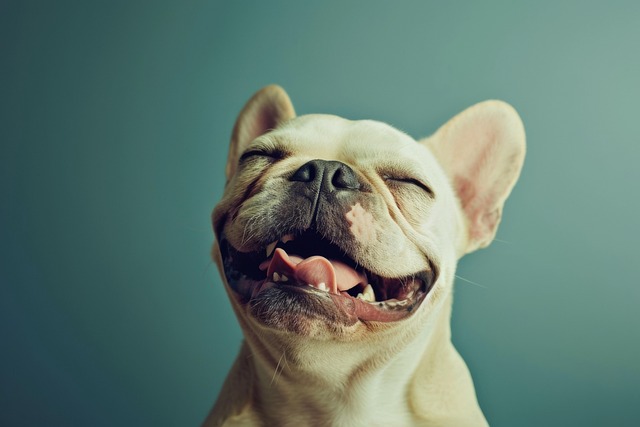 Behavior also plays a role—dogs have a strong instinct to find a “safe” spot to poop, especially in busy neighborhoods. If there are loud noises, other dogs passing by, or new objects in your yard, they might squat longer while scanning for threats. This is normal, but it’s important to respect their need for calm; rushing them can make the problem worse. Also, remember to always clean up their poop right away—most cities and towns have laws mandating this, and fines for leaving waste behind can be steep, not to mention it’s a basic courtesy to your neighbors.
Another cause could be pain, like from a urinary tract infection or joint issues (common in older dogs). If they seem tense while squatting, yelp, or stop and start multiple times, a vet visit is a must. Some regions have strict rules about timely pet medical care, and neglecting these signs could lead to legal trouble, not to mention more suffering for your dog. Catching issues early, like a mild infection, makes treatment easier and cheaper in the long run.
Watching your dog squat for too long can be worrying, but taking the time to figure out the cause—whether it’s diet, behavior, or pain—goes a long way. Following local laws, like cleaning up waste and getting vet care when needed, keeps your dog happy and your community safe. Before you know it, you’ll recognize their normal poop routine, and those long squats will be a thing of the past, replaced with quick, stress-free trips outside.
Let’s be real: It’s a sticky August morning in Los Angeles, and you took your 2-year-old Golden Retriever, Max, for a walk a little later than usual
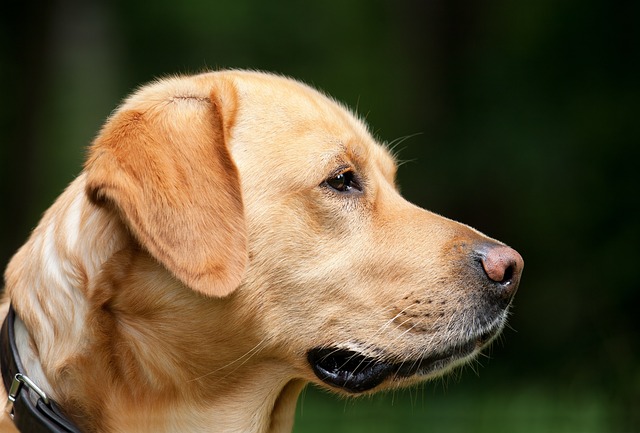
You're enjoying a summer afternoon at the park when you notice your dog has stopped panting and appears disoriented - their gums are bright red
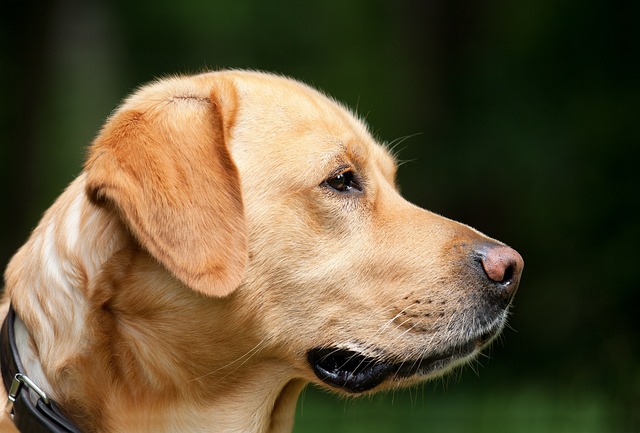
Let’s paint the picture: You’re in your Denver apartment, watching your 4-year-old Boston Terrier, Ruby, plop down mid-play session with her favorite toy

Many dog owners notice their pets nails seem shorter after regular walks,but how much does this daily activity actually help?The answer depends on where you walk—concrete sidewalks or asphalt streets gently file nails as a dog's paws hit the ground
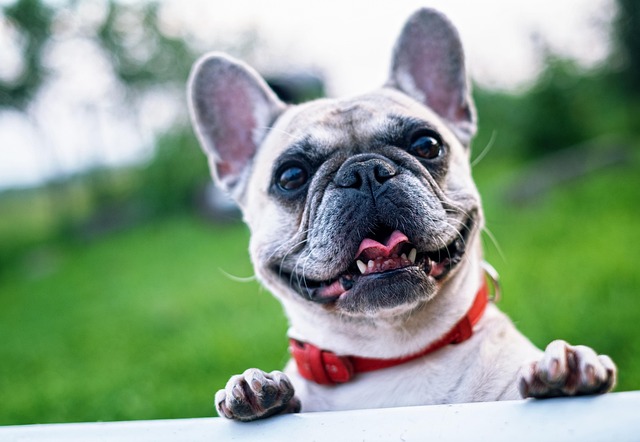
Most dog owners notice their pup scooting across the carpet at some point, but few connect it to impacted anal glands. These small sacs near a dog’s rectum secrete a scent for marking territory
Most vets agree that regular dog teeth cleaning is key to avoiding painful dental issues later. For healthy adult dogs, a professional cleaning at the vet’s office every 12 to 18 months usually works well.