
How do i train my dog to be obedient?
Watching your dog dart across the park ignoring your calls isn’t just frustrating—it can put them at risk near busy streets or public spaces.
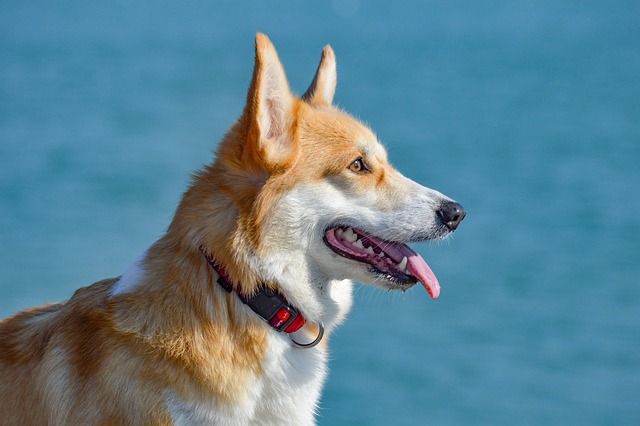
You’re rushing out the door for work when you spot it: a puddle by your couch, right where your 2-year-old Corgi, Olive, has never had an accident before. She’s been perfectly potty-trained for a year—you even bragged to your friends about it. Now, you’re panicking: Did she just forget everything? As a new U.S. dog owner, this sudden regression feels like a step backward, but the truth is, dogs almost never “forget” potty training. What looks like forgetfulness is almost always a sign of something else—stress, health trouble, or a disrupted routine that’s throwing them off balance.
To understand why this happens, think about how dogs learn and thrive: They rely on consistency and security. Their brains don’t “unlearn” potty habits, but when something upsets their sense of normalcy, anxiety or physical discomfort can override their training. Common culprits include: medical issues (UTIs, bladder stones, or even arthritis that makes it hard to hold it until a walk), routine changes (you started working later, moved to a new apartment, or changed their feeding time), or stress triggers (a new pet, a houseguest, or loud construction nearby). My neighbor’s dog, Milo, suddenly had accidents after they brought home a baby—he was stressed by the new noise and less attention, not forgetting his training. Unlike puppies, adult dogs don’t have accidents out of ignorance; they’re sending a signal that something’s wrong.
Here’s how to get back on track: First, visit the vet immediately—rule out UTIs or other health problems (this is non-negotiable; a UTI can make even the best-trained dog unable to hold it). If health checks out, map your recent changes: Did you switch to a new schedule? Move their water bowl? Revert to their old routine as much as possible—feed, walk, and play with them at the same times daily. Reinforce training with positive reinforcement: Take them outside every 2–3 hours (and right after meals/naps), and reward them with a high-value treat (like freeze-dried chicken) the second they go potty. Never scold or rub their nose in accidents—this violates U.S. animal welfare standards, increases anxiety, and makes accidents more likely. Clean messes with an enzyme-based cleaner (regular soap leaves scent traces that encourage repeats).
For apartment living, use a consistent potty route and consider a portable grass patch for days when you can’t get outside immediately. Keep their “potty cues” (like saying “go potty”) consistent—familiar words help trigger their training. When walking, always carry extra poop bags (cities like Seattle fine $250 for leaving messes) and stick to your usual schedule to rebuild their routine. While at the vet, confirm their rabies vaccine is up to date (required nationwide). Culturally, U.S. pet owners prioritize empathy over punishment—remember, your dog isn’t being “naughty”; they’re asking for help.
With patience and consistency, most dogs bounce back in 1–2 weeks. By addressing the root cause and staying kind, you’ll remind them of their training—and restore your peace of mind.
Watching your dog dart across the park ignoring your calls isn’t just frustrating—it can put them at risk near busy streets or public spaces.
New puppy owners often find themselves rushing to clean up accidents before they set in, and that’s where puppy pad training becomes a game-changer.
If you've noticed your dog's waistline disappearing and your veterinarian has mentioned those few extra pounds, your first instinct might be to simply reduce the amount of food in their bowl.

Training a dog to use a designated spot indoors isn’t as daunting as many new owners fear, but it does take consistency and an understanding of your pet’s needs.
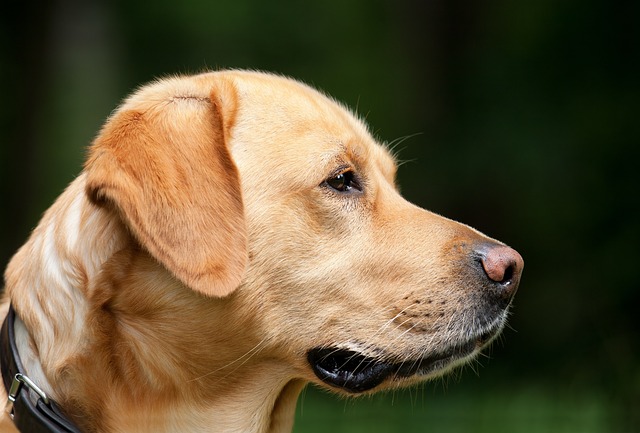
That moment of dread on a walk is all too familiar for many new dog owners. You see another dog approaching down the sidewalk of your neighborhood
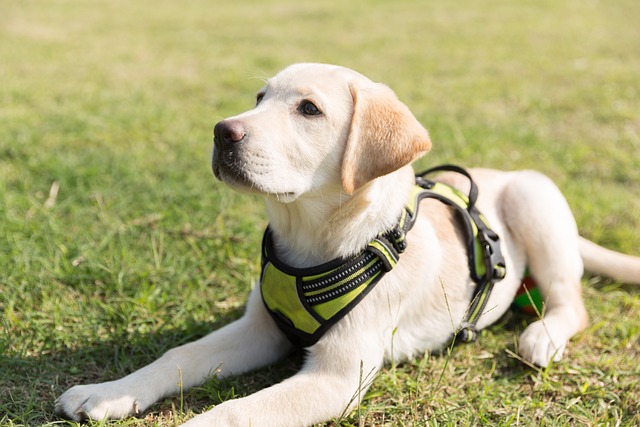
If the sight of another dog on your neighborhood walk makes your heart sink as your own dog erupts into a frenzy of barking and lunging, you're not alone.