
How do i train my dog to be obedient?
Watching your dog dart across the park ignoring your calls isn’t just frustrating—it can put them at risk near busy streets or public spaces.
You’ve probably stared at a soiled rug first thing in the morning, wondering why your fluffy pup can’t seem to hold it. The truth is, potty training isn’t just about teaching good habits—it’s fighting biology. Puppies under six months have tiny bladders that empty every 1-2 hours, and their brains haven’t learned to connect the “need to go” feeling with heading outside. They might get distracted mid-walk by a butterfly or a blade of grass, then forget their original mission entirely. It’s not stubbornness; it’s just being a baby still figuring out their body.
Another hurdle is consistency—and let’s be honest, life gets in the way. You might stick to a schedule all week, but then sleep in on Saturday and miss their morning trip out. Puppies thrive on routine, so even small changes can throw them off. Plus, every household has different cues: one person says “go potty” while another claps their hands. Your pup doesn’t understand why the rules shift, so they end up confused and more likely to have accidents.
 Then there are the rules we have to follow as pet owners, which add another layer. Many areas require leashes even for young puppies during potty breaks, which can make them nervous or reluctant to go. Some neighborhoods have strict waste disposal laws too—forgetting a bag means rushing back inside, cutting the walk short before they’ve finished. And let’s not mention cold or rainy days; no one wants to stand outside shivering, least of all a tiny puppy who’d rather hide under the couch than do their business.
The good news is, patience beats frustration every time. Instead of scolding (which just makes them afraid to go near you when they need to potty), try praising them like they’ve won a prize when they do it right. Keep a log of their meals and walks—you’ll start to see patterns, like they always need to go 20 minutes after eating. And remember, even the best-trained puppies have off days. It’s not a race; it’s about building trust with your new companion.
Before you know it, you’ll be walking to the door and your pup will be waiting, tail wagging, ready to head out. Those messy rugs will become a distant memory, and you’ll laugh about the early days when you thought you’d never get there. Potty training is hard because it’s a team effort—you’re both learning, one small step at a time.
Watching your dog dart across the park ignoring your calls isn’t just frustrating—it can put them at risk near busy streets or public spaces.
New puppy owners often find themselves rushing to clean up accidents before they set in, and that’s where puppy pad training becomes a game-changer.
If you've noticed your dog's waistline disappearing and your veterinarian has mentioned those few extra pounds, your first instinct might be to simply reduce the amount of food in their bowl.

Training a dog to use a designated spot indoors isn’t as daunting as many new owners fear, but it does take consistency and an understanding of your pet’s needs.
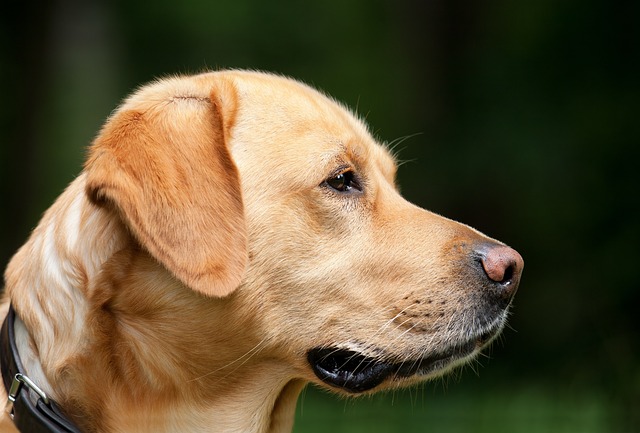
That moment of dread on a walk is all too familiar for many new dog owners. You see another dog approaching down the sidewalk of your neighborhood
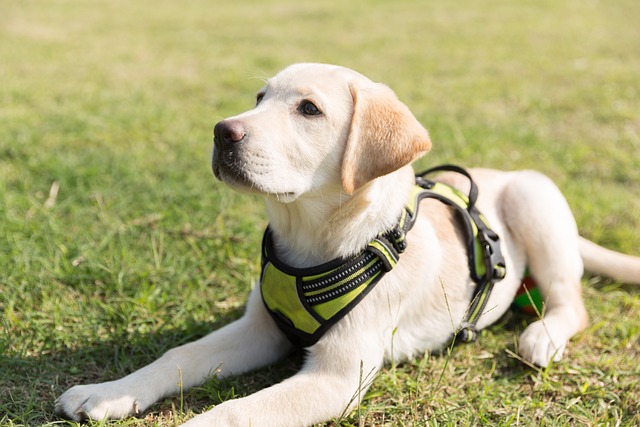
If the sight of another dog on your neighborhood walk makes your heart sink as your own dog erupts into a frenzy of barking and lunging, you're not alone.