

How can I tell if my dog's heatstroke is serious
Let’s be real: It’s a sticky August morning in Los Angeles, and you took your 2-year-old Golden Retriever, Max, for a walk a little later than usual
Dogs are creatures of rhythm, but when their internal clock clashes with yours, bedtime can turn into a whirlwind of zoomies and toy chasing. It’s not uncommon to find your pup bouncing off the couch at 10 PM while you’re ready to wind down—so what’s driving this nighttime energy surge?
One major culprit is insufficient daytime activity. In many urban areas, owners rush through quick morning walks before work, leaving dogs to snooze all day. By evening, that pent-up energy has nowhere to go. Breeds like Border Collies or Australian Shepherds, built for hours of herding, need mental stimulation too—puzzle toys or training sessions can burn calories just as effectively as a run.
Your daily routine might be sending mixed signals. Feeding your dog right before bed, for example, can kickstart their digestive system and leave them feeling restless. Similarly, if your evening involves lots of playtime or loud noises, they may associate night with excitement rather than calm.
 Seasonal changes play a role too. During longer summer days, dogs get more sunlight, which regulates their circadian rhythms. When fall hits and daylight fades earlier, some pups struggle to adjust, leading to nighttime restlessness. A consistent evening routine—like a short walk followed by quiet time—can help reset their internal clock.
It’s also worth checking for underlying issues. Pain, anxiety, or even a urinary tract infection can disrupt sleep, making your dog seem more energetic at odd hours. If the behavior is sudden or accompanied by other symptoms, a vet visit is a good idea.
Remember, many places have noise ordinances that apply to pets. A dog barking or racing around at 2 AM could land you in hot water with neighbors or local authorities. Training your dog to settle down at night isn’t just about your sleep—it’s about being a responsible member of the community.
Try shifting playtime to earlier in the evening, gradually winding down with calming activities like brushing or gentle petting. Dim the lights an hour before bed to signal that it’s time to rest. With patience and consistency, you can help your dog align their energy with yours, turning nighttime chaos into peaceful coexistence.
Let’s be real: It’s a sticky August morning in Los Angeles, and you took your 2-year-old Golden Retriever, Max, for a walk a little later than usual

You're enjoying a summer afternoon at the park when you notice your dog has stopped panting and appears disoriented - their gums are bright red

Let’s paint the picture: You’re in your Denver apartment, watching your 4-year-old Boston Terrier, Ruby, plop down mid-play session with her favorite toy

Many dog owners notice their pets nails seem shorter after regular walks,but how much does this daily activity actually help?The answer depends on where you walk—concrete sidewalks or asphalt streets gently file nails as a dog's paws hit the ground
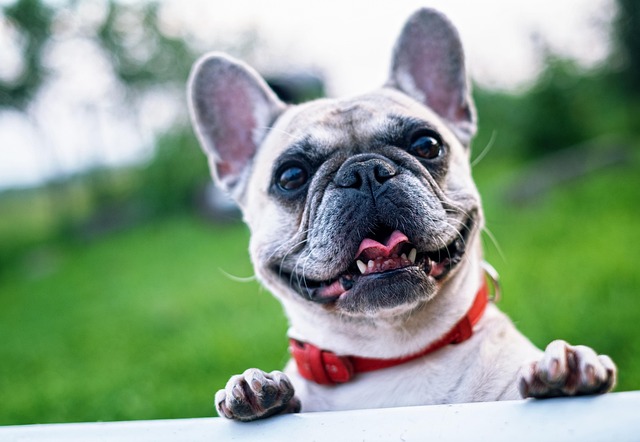
Most dog owners notice their pup scooting across the carpet at some point, but few connect it to impacted anal glands. These small sacs near a dog’s rectum secrete a scent for marking territory
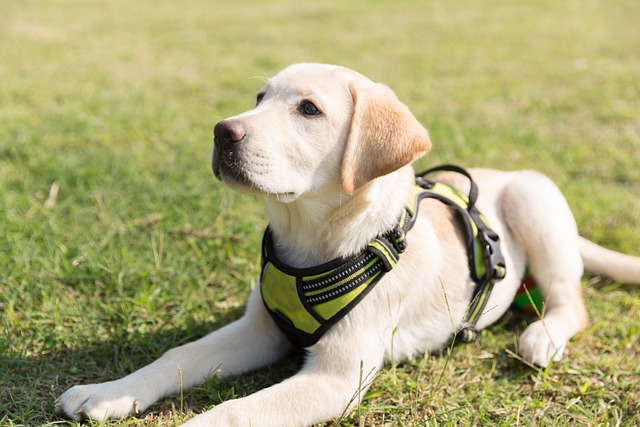
Most vets agree that regular dog teeth cleaning is key to avoiding painful dental issues later. For healthy adult dogs, a professional cleaning at the vet’s office every 12 to 18 months usually works well.