
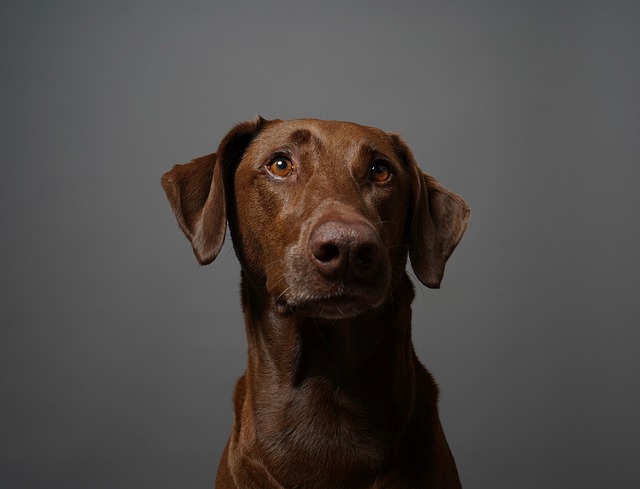
What is glaucoma in a dog?
You might notice your dog squinting more at mealtime or avoiding bright sunlight—these small changes could be early signs of a serious eye condition.
Watching your usually friendly pup stiffen and growl when a delivery person approaches the porch is deeply unsettling. That sudden shift in behavior, where your dog becomes unexpectedly aggressive towards unfamiliar people, feels like a betrayal of their normally sweet nature. It's crucial to move beyond quick assumptions about inadequate training or blaming the breed; complex factors are often at play beneath the surface, demanding careful investigation rather than blame.
Significant shifts in your dog's daily environment can act like invisible tripwires for aggression. Moving to a new home disrupts their entire sensory map, flooding them with unfamiliar sights and smells. Introducing a new partner, roommate, or even frequent visitors alters the household dynamic and territorial boundaries. Construction noise nearby, fireworks season, or even persistent neighborhood arguments can create a constant state of hyper-vigilance. These environmental triggers for dog aggression prime a dog to perceive any unknown person as a potential component of that ongoing stress, leading to a defensive snap. A dog that previously tolerated strangers might now see them as unpredictable threats within their newly unstable world.
Digging deeper, underlying psychological distress is a frequent culprit behind sudden behavioral changes. Unmanaged anxiety can escalate dramatically, transforming mild wariness into full-blown reactivity. A deeply rooted fear, perhaps stemming from a negative encounter the owner wasn't even aware of, can generalize to all strangers. More profound psychological reasons for dog aggression include unresolved trauma, such as past abuse or a terrifying event involving unfamiliar people. Painful experiences leave lasting imprints, and a seemingly innocuous stranger might unknowingly trigger a flashback, causing the dog to lash out preemptively. A rescue dog with an unknown history might suddenly display aggression months after adoption when a specific trigger, like a man in a hat, surfaces unexpectedly.
Never overlook the possibility that pain or illness is driving the behavior. A dog experiencing chronic discomfort from arthritis, an ear infection, dental disease, or an unseen injury is perpetually on edge. Neurological conditions affecting the brain can drastically alter personality and impulse control. Sensory decline, particularly diminishing eyesight or hearing, is a common cause of sudden aggression in older dogs; they might startle easily and react defensively because strangers seemingly appear out of nowhere or make unexpected noises. Thyroid imbalances and other hormonal issues can also manifest as increased irritability and aggression. This potential medical link is a critical aspect often missed when considering causes of sudden dog aggression.
Pinpointing the root cause requires becoming a dedicated observer. Start a detailed log: note the exact time, location, what the stranger was doing (approaching the house, walking past on the street, making eye contact), your dog's specific behaviors (growling, lunging, barking, hiding followed by snapping), and the intensity. Did your dog have an escape route? Was the stranger wearing something unusual? Crucially, track any concurrent changes – did the aggression start after starting new medication, a home renovation, or a frightening storm? Look for patterns. Does it happen more at home, suggesting resource guarding or territoriality? Or only on walks, indicating fear or frustration? This meticulous detective work is essential.
Facing dog suddenly aggressive towards strangers demands immediate safety protocols and compassionate action. Avoid punishment entirely; yelling or physical correction only increases fear and confirms the dog's belief that strangers bring negative consequences. Manage the environment: use baby gates, leashes, or create a safe space away from the front door during high-traffic times. Never force interactions. Your first call should always be to your veterinarian for a thorough medical workup to rule out pain or illness. Once cleared medically, seek a qualified, force-free behavior consultant or veterinary behaviorist. They can help you understand the specific triggers and develop a tailored behavior modification plan using desensitization and counter-conditioning techniques. Understand your local leash laws and ordinances regarding aggressive behavior; responsible management is not only ethical but also legally required.
Discovering why is my dog aggressive to strangers is rarely simple, often involving a tangled web of environmental shifts, psychological distress, or underlying pain. This journey requires patience and keen observation. By diligently seeking the root cause and partnering with professionals committed to humane methods, you can address the fear or discomfort driving the behavior, paving the way back towards a calmer, safer, and happier relationship for both you and your dog. Your veterinarian remains your best ally in navigating this challenge.
You might notice your dog squinting more at mealtime or avoiding bright sunlight—these small changes could be early signs of a serious eye condition.

Let’s set the scene: It’s a sweltering Phoenix afternoon—105°F outside—and you rushed your 2-year-old Lab mix, Cooper, on a quick walk to “get it over with.”

Let’s get real: You’re in your Miami apartment, watching your 3-year-old Corgi, Loki, struggle to climb the stairs to your second-floor unit.
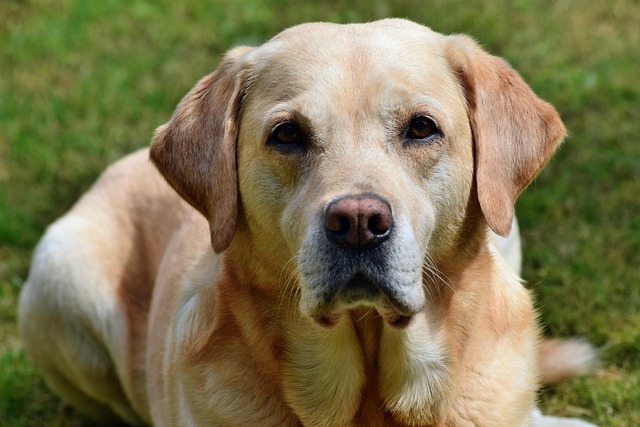
Many dog owners brush off occasional scratching as just “dog behavior,” but persistent itching often signals something more—like a food allergy.

You might first notice your dog scratching more than usual—chewing at their paws until the fur looks thin, or rubbing their face against the couch nonstop.

Let’s be real: You’re standing in your Chicago apartment, watching your 3-year-old Beagle, Max, huff and puff just to climb onto the couch.