
How do i train my dog to be obedient?
Watching your dog dart across the park ignoring your calls isn’t just frustrating—it can put them at risk near busy streets or public spaces.
Your stomach drops as Luna, who once zipped back at your call, now bolts toward traffic at the sound of "Come!" That vanished recall isn’t rebellion—it’s a distress signal. Understanding why unlocks the solution while keeping everyone safe.
Several hidden culprits could sabotage recall. Adolescent dogs (5-18 months) often "forget" training as hormones surge—like teenagers testing curfew. Undiagnosed pain from hip dysplasia or ear infections might make sprinting back uncomfortable. Life changes like moving apartments or construction near your Portland home can spike anxiety. Or perhaps you accidentally poisoned the cue: using "come" for nail trims or bath time teaches Luna that obedience ends fun. Even yelling the command angrily erodes trust, violating force-free training principles central to US/EU animal welfare standards.
Start with a vet visit to rule out pain or hearing loss. Then hit reset: temporarily retire the tainted cue and introduce a fresh emergency recall word like "Here!" exclusively paired with jackpot rewards—think rotisserie chicken or a favorite squeaky toy. Practice in your quiet living room first, rewarding instantly when she responds. Gradually add distractions like tossing a ball, but always use a 30-foot longline leash outdoors. If she ignores you, gently reel her in without scolding, then celebrate at your side. This rebuilds the neural pathway that proximity equals joy.
Leash laws protect everyone during regression phases. Unleashing unreliable recall risks $300+ fines in cities like Seattle or Miami, especially if Luna approaches children or wildlife. Never skip biodegradable poop bags—legally required coast-to-coast, with $250 penalties in Boston—and ensure her rabies tag is visible. If she bolts toward another leashed dog, calmly intervene with "We’re training!" instead of shouting apologies that reward her disengagement.
Apartment living heightens risks. A recall failure in your hallway could send Luna into elevator doors or traffic. Practice "doorway drills": leash her before opening your unit, rewarding calm exits. In shared courtyards, attach a lightweight dragline (4-6 ft leash trailing) for quick control. At community spaces, leash Luna if she ignores one recall near others—forcing interactions during regression breaches etiquette and may trigger complaints.
Notice micro-improvements: if Luna hesitates mid-chase, throw a treat party! Consistency over 3-4 weeks usually reverses setbacks. If progress stalls, consult a certified positive-reinforcement trainer—they’ll spot triggers like new neighborhood cats spooking your pup. Recall isn’t a one-time skill; it needs lifelong reinforcement through life’s changes. With steak bribes and strategic patience, you’ll rebuild that lifesaving response stronger than ever.
Watching your dog dart across the park ignoring your calls isn’t just frustrating—it can put them at risk near busy streets or public spaces.
New puppy owners often find themselves rushing to clean up accidents before they set in, and that’s where puppy pad training becomes a game-changer.
If you've noticed your dog's waistline disappearing and your veterinarian has mentioned those few extra pounds, your first instinct might be to simply reduce the amount of food in their bowl.

Training a dog to use a designated spot indoors isn’t as daunting as many new owners fear, but it does take consistency and an understanding of your pet’s needs.
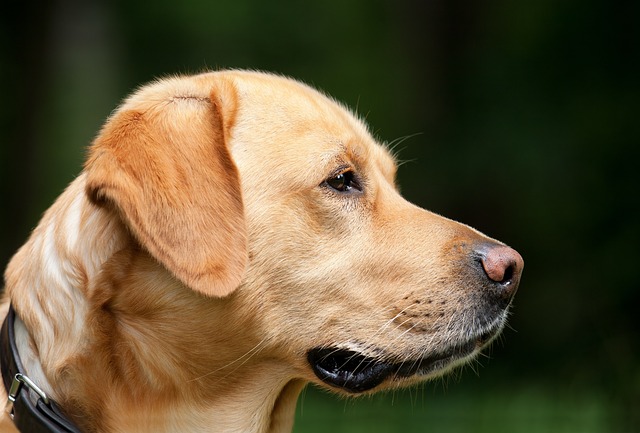
That moment of dread on a walk is all too familiar for many new dog owners. You see another dog approaching down the sidewalk of your neighborhood
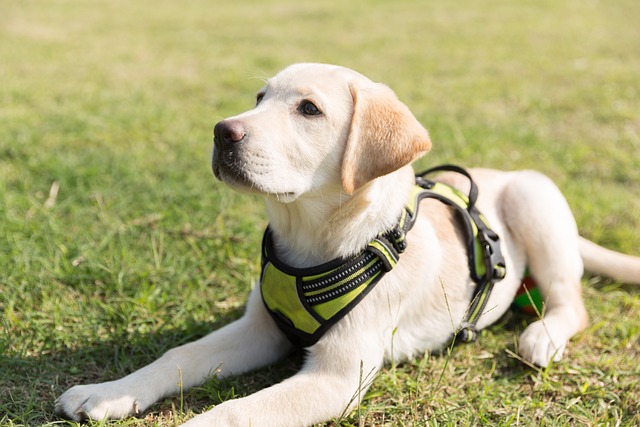
If the sight of another dog on your neighborhood walk makes your heart sink as your own dog erupts into a frenzy of barking and lunging, you're not alone.