
What is glaucoma in a dog?
You might notice your dog squinting more at mealtime or avoiding bright sunlight—these small changes could be early signs of a serious eye condition.
You've been enjoying the daily walks with your German Shepherd, but lately, you've noticed something amiss. Your once - energetic pup now seems to struggle, with its back leg looking weak and causing an uneven gait. As a new dog owner in the U.S., you're understandably worried and asking yourself, "Why is my German Shepherd's back leg so weak?"
German Shepherds are known for their strength and agility, but weak back legs can be a common issue in this breed. Biologically, their genetic makeup plays a significant role. The breed has been selectively bred for certain physical traits, like their sloping hindquarters which aid in agility but also make them more prone to specific problems. Hip dysplasia, for example, is a genetic condition where the hip joint doesn't develop properly. The ball of the hip doesn't fit snugly into the socket, leading to pain and weakness in the back legs. Another concern is degenerative myelopathy, a neurological disease that gradually causes the dog to lose control over its hind legs, often starting with weakness.
If you notice your German Shepherd's back leg weakness, the first step is to schedule a visit to the vet. They can conduct a thorough examination, which may include X - rays to check for hip dysplasia or neurological tests for degenerative myelopathy. In the meantime, you can help your dog by ensuring it gets gentle exercise. Short, slow walks can strengthen the muscles around the joints without over - stressing them. Swimming is also an excellent low - impact exercise as the water supports the dog's body weight, allowing the back legs to move and strengthen without much strain.
In the U.S., it's crucial to keep your German Shepherd's vaccinations up - to - date. Rabies vaccines are mandatory in all states, and other vaccinations protect your dog from various diseases that could potentially affect its overall health and mobility. When out walking your dog, even if it has a back leg weakness, always clean up after it. Leaving dog waste in public areas is not only unhygienic but can also result in fines of up to $250 in some cities.
When it comes to training and handling your dog, avoid any form of physical punishment. In the U.S., there are strict animal welfare laws against it. Positive training methods work best. If your German Shepherd is having trouble with its back leg and seems reluctant to move, encourage it with treats and praise when it makes an effort. If you live in an apartment, make sure the living space is dog - friendly. Remove any obstacles that could cause your dog to trip or further injure its weak leg.
In conclusion, a weak back leg in a German Shepherd can be due to several factors, but with proper veterinary care, gentle exercise, and following U.S. pet - keeping regulations, you can help your furry friend manage the condition and maintain a good quality of life.
You might notice your dog squinting more at mealtime or avoiding bright sunlight—these small changes could be early signs of a serious eye condition.
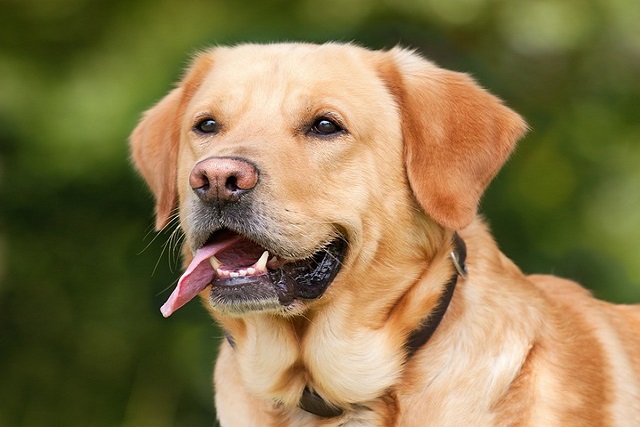
Let’s set the scene: It’s a sweltering Phoenix afternoon—105°F outside—and you rushed your 2-year-old Lab mix, Cooper, on a quick walk to “get it over with.”
Let’s get real: You’re in your Miami apartment, watching your 3-year-old Corgi, Loki, struggle to climb the stairs to your second-floor unit.
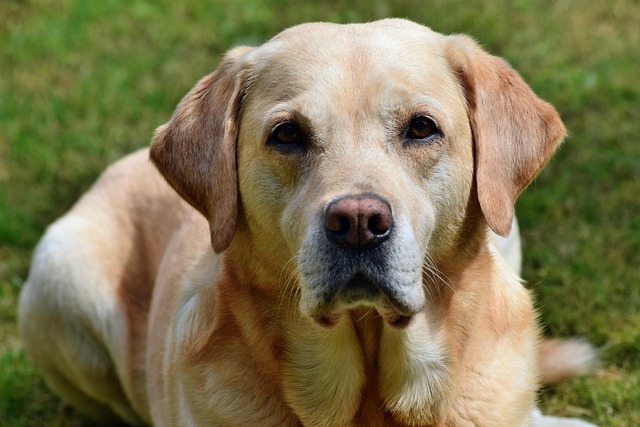
Many dog owners brush off occasional scratching as just “dog behavior,” but persistent itching often signals something more—like a food allergy.

You might first notice your dog scratching more than usual—chewing at their paws until the fur looks thin, or rubbing their face against the couch nonstop.
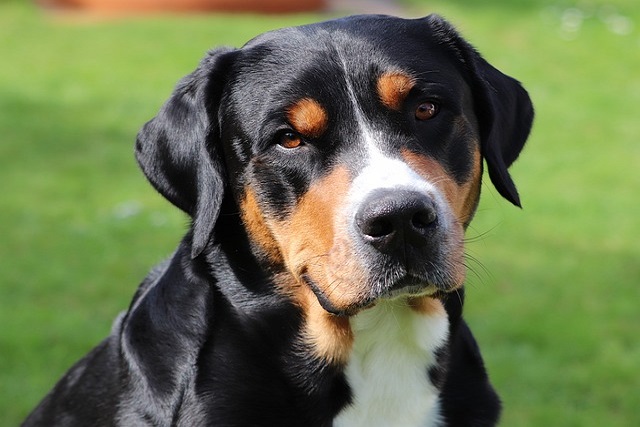
Let’s be real: You’re standing in your Chicago apartment, watching your 3-year-old Beagle, Max, huff and puff just to climb onto the couch.