

How can I tell if my dog's heatstroke is serious
Let’s be real: It’s a sticky August morning in Los Angeles, and you took your 2-year-old Golden Retriever, Max, for a walk a little later than usual
You wake up to find your couch covered in tiny tufts of fur, and when you pick up your puppy for a snuggle, handfuls come loose in your hand. It’s a shock—just last week, their coat seemed smooth and manageable. Sudden shedding in puppies can feel alarming, but more often than not, it’s a normal part of their development. Understanding why it happens can help you tell when it’s nothing to worry about, and when to check in with the vet.
Puppies often go through a “coat transition” around 4 to 6 months old, swapping their soft baby fur for their adult coat. This isn’t a slow process—it can happen overnight, leaving fur on your clothes, rugs, and even your morning coffee mug. Breeds with double coats, like German Shepherds or Samoyeds, tend to shed more dramatically during this shift, as their undercoat thickens to prepare for adulthood. Think of it like a toddler outgrowing their clothes—their bodies are simply making room for something that fits better long-term.
Environmental changes can also trigger sudden shedding. If your home’s heater kicked on for the first time this fall, or the AC is cranked up in summer, the temperature shift tells your puppy’s body to adjust their coat. Even moving to a new apartment with different lighting (like less natural sunlight) can signal their system to shed. To help, brush them regularly with a soft bristle brush—start slow, with treats, so it feels like a bonding activity, not a chore. This removes loose fur before it ends up on your furniture, and keeps their skin healthy too.
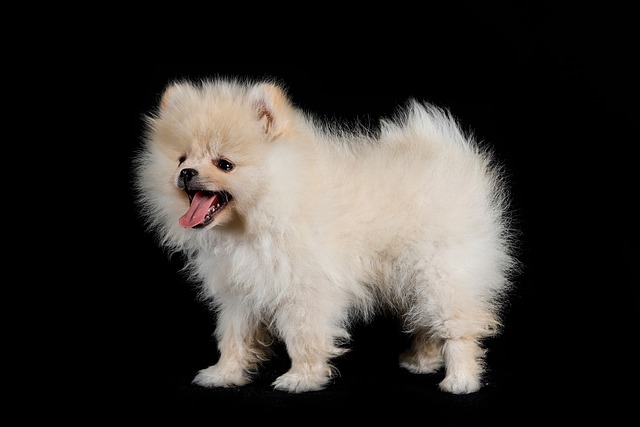 Diet plays a bigger role than you might think. A sudden switch to a new food, or one lacking essential nutrients like omega-3s, can make their coat weak and prone to shedding. Puppies need a balanced diet to support healthy fur growth—look for foods with high-quality protein and fatty acids. Avoid overfeeding table scraps, which can throw off their nutrition. If you suspect diet is the issue, chat with your vet before making changes—they’ll recommend options that fit your puppy’s breed and age.
In some cases, excessive shedding can signal stress or health problems. Puppies are sensitive to changes: a new family member, a move, or even a loud construction project nearby can make them anxious, and stress often shows up in their coat. If shedding is paired with other signs—like red, itchy skin, bald patches, or lethargy—it could mean allergies, parasites, or a thyroid issue. Most areas require regular vet check-ups for puppies (along with vaccinations), so use that visit to ask questions and rule out health concerns.
When dealing with all that fur, remember good pet etiquette. Brush your puppy outside or over a easy-to-clean surface to keep loose hair from blowing into neighbors’ yards. If you’re walking them in a park, a quick brush beforehand can cut down on fur left on benches or grass. And always keep a lint roller handy—you’ll need it for your clothes, but it’s also a small price to pay for those snuggles with your growing puppy.
Let’s be real: It’s a sticky August morning in Los Angeles, and you took your 2-year-old Golden Retriever, Max, for a walk a little later than usual
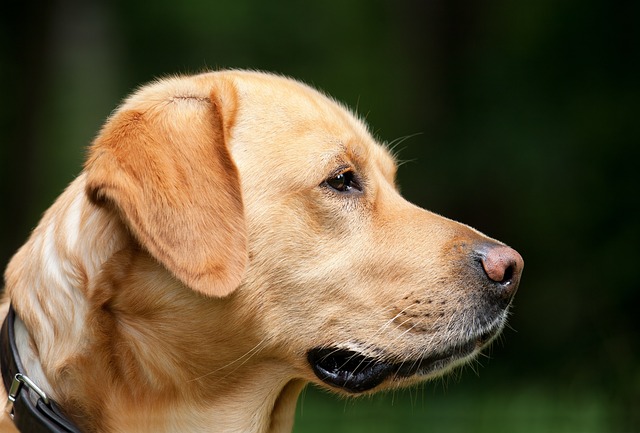
You're enjoying a summer afternoon at the park when you notice your dog has stopped panting and appears disoriented - their gums are bright red
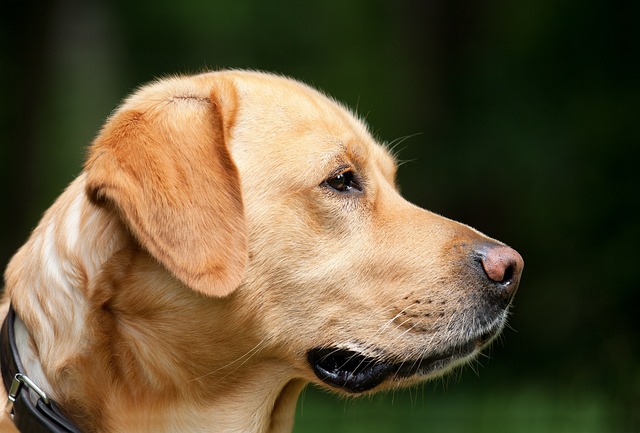
Let’s paint the picture: You’re in your Denver apartment, watching your 4-year-old Boston Terrier, Ruby, plop down mid-play session with her favorite toy

Many dog owners notice their pets nails seem shorter after regular walks,but how much does this daily activity actually help?The answer depends on where you walk—concrete sidewalks or asphalt streets gently file nails as a dog's paws hit the ground
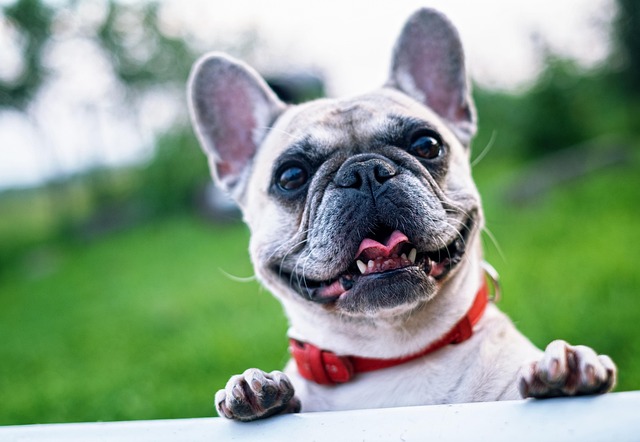
Most dog owners notice their pup scooting across the carpet at some point, but few connect it to impacted anal glands. These small sacs near a dog’s rectum secrete a scent for marking territory

Most vets agree that regular dog teeth cleaning is key to avoiding painful dental issues later. For healthy adult dogs, a professional cleaning at the vet’s office every 12 to 18 months usually works well.