
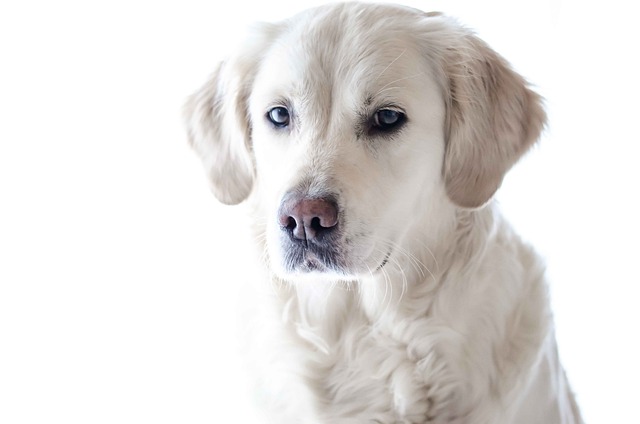
How can I tell if my dog's heatstroke is serious
Let’s be real: It’s a sticky August morning in Los Angeles, and you took your 2-year-old Golden Retriever, Max, for a walk a little later than usual
Looking at the dog who used to eat with relish, but now is indifferent in front of the food bowl, only when you hand over the food, will it wag its tail and open its mouth to enjoy it, this scene is both distressing and confusing. As an owner, I am full of concerns about the dog's health, and I am eager to find out what exactly caused the dog to develop such a "picky eating" habit. In fact, it is not accidental that dogs only accept hand-fed food. There are many complex factors behind it, such as behavioral habits, health conditions, and psychological needs. Every detail tells their silent demands.
From a behavioral point of view, dogs only accept hand-feeding is likely to be caused by long-term excessive attention and spoiling. In daily life, when a dog shows no interest in food, out of heartache, the owner often takes the initiative to put food to its mouth. And the dog keenly captures that this "refuse to eat - hand-feed by the owner - get food" mode can easily gain the owner's attention and love. Over time, they equate hand-feeding with rewards and attention, and gradually become dependent. Just like children cry to attract their parents' attention, dogs have learned to use this method to strengthen their interaction with their owners, turning hand-feeding into a habit.
Health issues are also an important factor that cannot be ignored. Oral diseases in dogs, such as periodontitis, oral ulcers, loose teeth, etc., will make them feel pain when eating on their own. The food in the bowl requires the dog to lower its head and chew, and these actions will stimulate the painful area. When the owner feeds by hand, the dog can eat more easily, reduce the pressure on the mouth, and the pain can be relieved to a certain extent. In addition, gastrointestinal discomfort, indigestion and other problems will cause the dog's appetite to decrease. They instinctively resist food with ordinary taste and texture in the bowl, but when the owner feeds them by hand, they may be willing to eat a small amount of food because they look forward to interacting with the owner and feeling the owner's care. These hidden pains in the body make the dog send a distress signal to the owner only by changing the way of eating.
 Psychological factors also play a key role in dogs' eating behavior. Anxiety and stress can seriously affect dogs' appetite. When the living environment changes, such as moving, adding a new pet to the family, or the owner is away for a long time, dogs will feel uneasy and fearful. In their eyes, the food bowl may become part of the uncertainty in the unfamiliar environment, making them dare not approach easily. The owner's hand, however, carries a familiar smell and temperature, which is a source of security. In this case, only by taking food from the owner's hand can the dog be psychologically comforted and feel familiar and at ease. In addition, some dogs with sensitive personalities and strong dependence have a deep emotional dependence on their owners. They regard eating as an opportunity to get close to their owners, and enjoy the touch and whispers when the owner feeds them by hand. In their hearts, this is more precious than the food itself.
In addition to the above reasons, problems with the food itself may also cause dogs to only accept hand feeding. Eating the same taste and texture of food for a long time will make dogs feel bored. Even if the food is nutritious, the monotonous taste cannot stimulate their desire to eat. When the owner feeds the dog by hand, he may inadvertently give some special food, such as small pieces of meat and snacks. These more delicious foods make the dog look forward to it. In addition, details such as the temperature of the food and the location of the food may also affect the dog's willingness to eat. Too cold or too hot food, as well as food bowls placed in noisy and overly bright areas, will make the dog feel uncomfortable and resist eating on its own.
When the dog only accepts hand feeding, the owner must first remain calm and patient. Don't rush to blame or force the dog to eat on its own, so as not to put them under greater psychological pressure. If it is suspected that it is caused by health problems, the dog should be taken to the pet hospital for a comprehensive examination in time. Professional veterinarians will accurately determine whether the dog has a disease through detailed interviews, oral examinations, blood tests, etc., and give corresponding treatment. When the dog's health is restored, the eating problem will often improve.
If health factors are excluded, then correcting the dog's eating habits needs to be gradual. You can try to divide the food into two parts, one part is fed by hand and the other part is placed in the food bowl. When hand feeding, guide the dog to gradually approach the food bowl so that it is familiar with the existence of the food bowl. At the same time, change the dog's food to fresh and diversified food to increase the attractiveness of the food. For example, add some boiled chicken and vegetables to the dog food, or choose wet food with different flavors. In addition, it is also very important to create a quiet and comfortable eating environment for the dog. Place the food bowl in a quiet corner to avoid disturbing the dog when it is eating. Through these methods, gradually help the dog get rid of its dependence on hand feeding and re-develop the good habit of eating independently.
Dogs are indispensable partners in our lives, and every one of their behaviors contains trust and dependence on us. When dogs only accept hand-fed food, this is not only a problem of eating habits, but also a way for them to communicate with us. We must understand their needs with our heart, use scientific methods and full of love to help them resume normal diet and protect their health and happiness.
Let’s be real: It’s a sticky August morning in Los Angeles, and you took your 2-year-old Golden Retriever, Max, for a walk a little later than usual
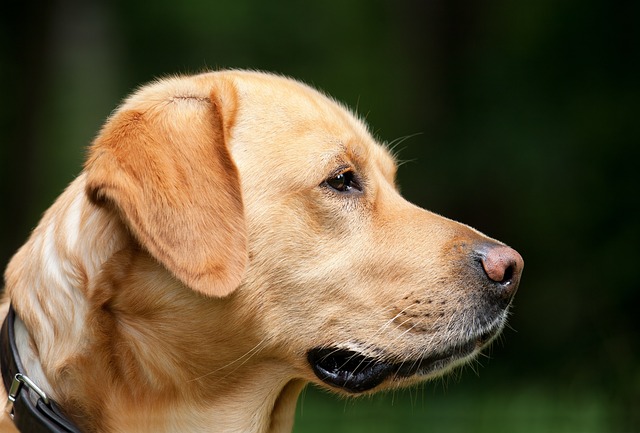
You're enjoying a summer afternoon at the park when you notice your dog has stopped panting and appears disoriented - their gums are bright red
Let’s paint the picture: You’re in your Denver apartment, watching your 4-year-old Boston Terrier, Ruby, plop down mid-play session with her favorite toy
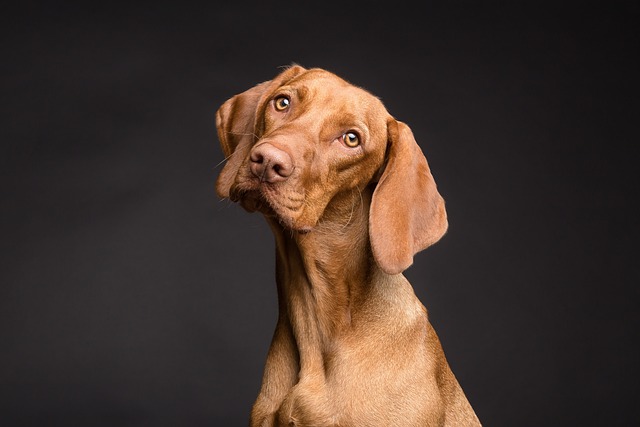
Many dog owners notice their pets nails seem shorter after regular walks,but how much does this daily activity actually help?The answer depends on where you walk—concrete sidewalks or asphalt streets gently file nails as a dog's paws hit the ground
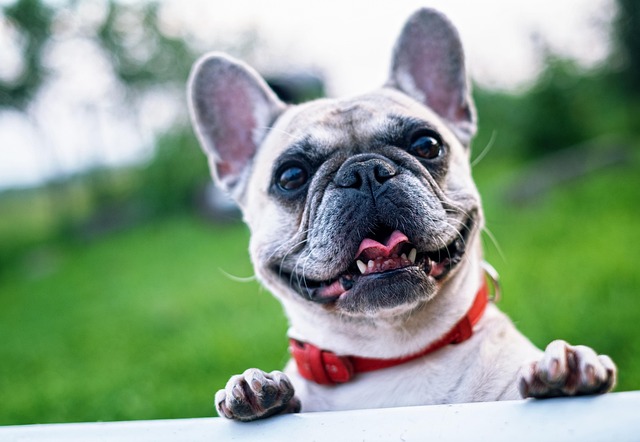
Most dog owners notice their pup scooting across the carpet at some point, but few connect it to impacted anal glands. These small sacs near a dog’s rectum secrete a scent for marking territory
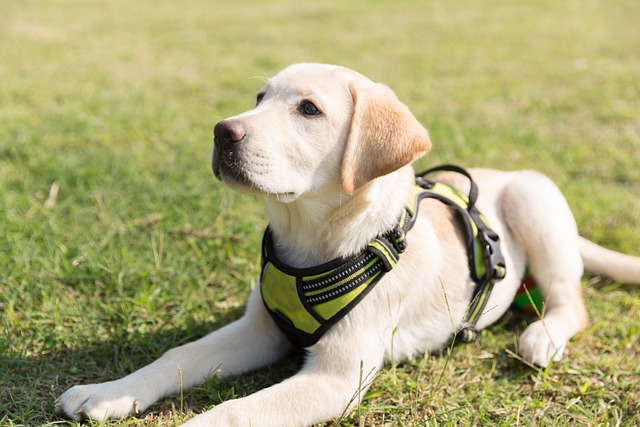
Most vets agree that regular dog teeth cleaning is key to avoiding painful dental issues later. For healthy adult dogs, a professional cleaning at the vet’s office every 12 to 18 months usually works well.