
What is glaucoma in a dog?
You might notice your dog squinting more at mealtime or avoiding bright sunlight—these small changes could be early signs of a serious eye condition.
I sat with my friend Jesse on his Arizona patio last Tuesday, where his 1-year-old Beagle, Buddy, lay listlessly by the water bowl—Jesse held up a soiled paper towel, sighing. “He played in the yard for 45 minutes this morning, and now he’s had three loose stools. Can heat cause diarrhea in dogs, or do I need to panic?” Jesse asked, petting Buddy’s ears. If you’re a new U.S. dog owner noticing your pup has diarrhea after hot weather or outdoor play, you’re not alone—and the answer is yes, heat can trigger diarrhea. It’s usually a sign their body is struggling with the heat, but quick, gentle steps can help them recover fast.
To understand why heat leads to diarrhea, let’s break it down simply: Dogs regulate heat through panting, but when it’s too hot (above 90°F, especially with humidity), their bodies prioritize cooling over other functions—like digesting food. Buddy’s vet explained that heat causes two key issues: first, mild dehydration (even if they drink water) slows down their gut, making food sit too long and turn loose; second, “heat stress” revs up their nervous system, which throws off normal gut movement—think of it like your stomach feeling upset when you’re stressed, but worse for dogs. Sometimes, it’s also from accidental ingestion: hot weather can make grass clippings or leftover food in the yard spoil faster, and dogs who snack on them get an upset tummy. Unlike diarrhea from parasites (which needs meds), heat-induced diarrhea often eases when their body cools down—if you help them the right way.
Here’s what to do if you think heat is causing your dog’s diarrhea, step by step: First, cool them down gently. Move them to a shaded room (or turn on the AC if you’re in an apartment) and lay a cool, damp towel over their belly—never use ice, which shocks their system. Jesse did this, and Buddy stopped panting hard within 15 minutes. Second, hydrate slowly. Give them small sips of room-temperature water every 10 minutes—don’t let them chug, which can make diarrhea worse. Jesse used a spoon to offer water, and Buddy took it willingly after 5 minutes. Third, switch to a bland diet. Cook plain chicken (no salt or spices) and white rice, mix them in a 1:2 ratio, and feed small portions (½ cup for a Beagle like Buddy) every 4 hours. This eases gut strain—Jesse tried this, and Buddy’s next stool was firmer by evening. Fourth, watch for red flags. If diarrhea has blood, lasts more than 24 hours, or your dog vomits/acts lethargic, call the vet—those could be signs of heat stroke or something more serious. Buddy’s diarrhea stopped after 36 hours, so no vet visit was needed.
For apartment living, keep your AC set to 75–78°F on hot days, and avoid midday walks (stick to 7 a.m. or 8 p.m. when it’s cooler). When walking, always carry poop bags (cities like Los Angeles fine $200 for leaving messes)—even if your dog has diarrhea, you still need to clean up. Never scold your dog for accidents indoors—they’re not misbehaving; their gut is upset, and punishment violates U.S. animal welfare standards. Keep their rabies vaccine up to date (required nationwide)—heat stress weakens their immune system, so updated vaccines help fight infections. And avoid leaving food or treats outside—hot weather spoils them fast, which is a common diarrhea trigger.
Two days later, Jesse texted me a video of Buddy chasing his ball again, with a note: “No more loose stools!” Can heat cause diarrhea in dogs? Yes—but with calm care, cooling, and gentle food, your pup will be back to normal in no time.
You might notice your dog squinting more at mealtime or avoiding bright sunlight—these small changes could be early signs of a serious eye condition.
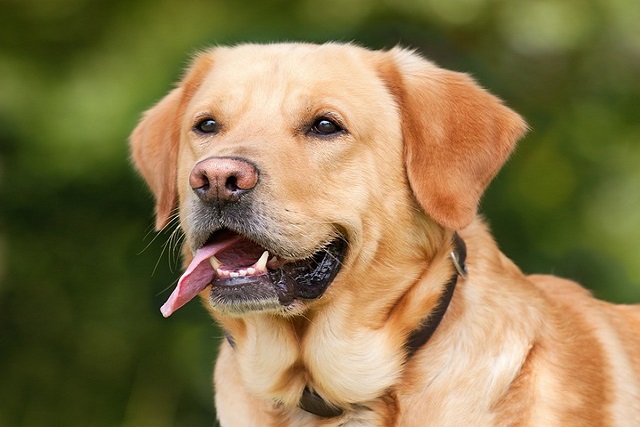
Let’s set the scene: It’s a sweltering Phoenix afternoon—105°F outside—and you rushed your 2-year-old Lab mix, Cooper, on a quick walk to “get it over with.”
Let’s get real: You’re in your Miami apartment, watching your 3-year-old Corgi, Loki, struggle to climb the stairs to your second-floor unit.
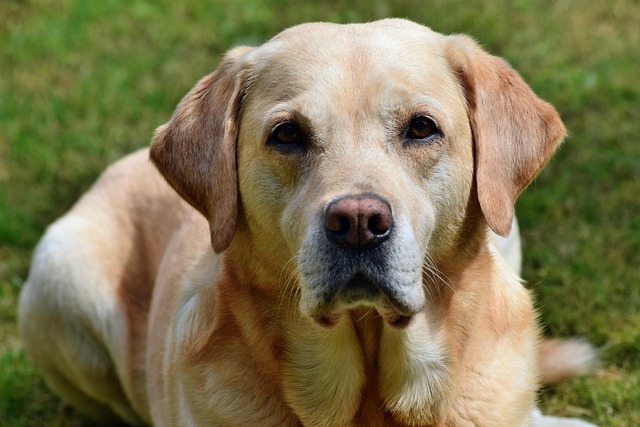
Many dog owners brush off occasional scratching as just “dog behavior,” but persistent itching often signals something more—like a food allergy.

You might first notice your dog scratching more than usual—chewing at their paws until the fur looks thin, or rubbing their face against the couch nonstop.
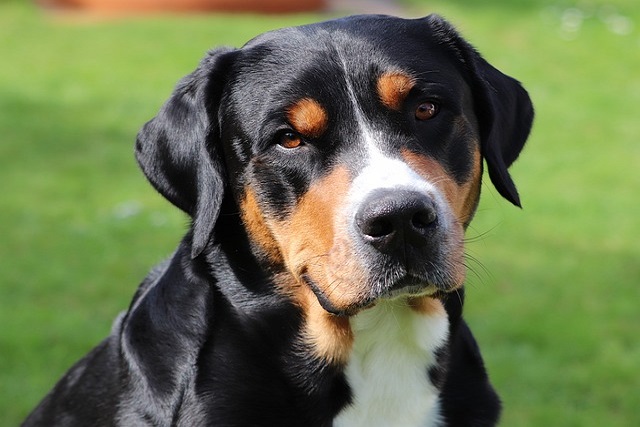
Let’s be real: You’re standing in your Chicago apartment, watching your 3-year-old Beagle, Max, huff and puff just to climb onto the couch.