

How can I tell if my dog's heatstroke is serious
Let’s be real: It’s a sticky August morning in Los Angeles, and you took your 2-year-old Golden Retriever, Max, for a walk a little later than usual
Goldendoodle puppies start with a soft, fluffy puppy coat that feels like teddy bear fur—but don’t get too attached. That cozy layer doesn’t stick around forever; most begin shedding their puppy coat between 4 and 8 months old, though some take a little longer. You might notice clumps on your couch or more fur on your sweater when you cuddle them—those are signs their adult coat is starting to come in.
The switch isn’t always smooth. I helped a neighbor with her 6-month-old Goldendoodle last spring; one week, he had fluffy patches, and the next, thin spots where the adult fur was pushing through. This “awkward phase” can last 2-3 months, and their coat texture might change too—from wavy to curly, or even straighter. Brushing them 2-3 times a week with a slicker brush helps remove loose puppy fur and keeps their skin from getting irritated.
 How much they shed depends on their genes—since Goldendoodles mix Golden Retrievers (who shed) and Poodles, their coat can lean either way. Puppies with more Retriever traits might shed more during the transition, while those with more Poodle genes could have lighter shedding. But even low-shed Goldendoodles lose their puppy coat—you just might not notice it as much if you stay on top of grooming.
In many European countries and North American cities, there are rules about pet grooming and waste—like cleaning up loose fur from public areas if you groom your dog outside, or keeping your yard free of excessive fur that could attract pests. Some apartment buildings also have pet hair policies, so regular brushing isn’t just for your pup’s comfort—it helps you stay compliant. A good vacuum with a pet hair attachment can also keep your home tidy and avoid issues with landlords.
Don’t panic if you see more fur than usual—shedding their puppy coat is normal. If you notice bald spots, red skin, or your puppy scratching nonstop, though, check with a vet—those could be signs of allergies or skin issues, not just normal shedding. Most vets recommend a gentle bath every 4-6 weeks during the transition to keep their coat healthy, too.
Watching your Goldendoodle puppy lose their baby fur is a little bittersweet, but it’s part of them growing up. With regular brushing, knowing what to expect from their coat type, and following local grooming rules, you’ll help them through the transition smoothly. Before you know it, their soft adult coat will be in place—and you’ll still have plenty of cuddles (and a little less fur) to look forward to.
Let’s be real: It’s a sticky August morning in Los Angeles, and you took your 2-year-old Golden Retriever, Max, for a walk a little later than usual

You're enjoying a summer afternoon at the park when you notice your dog has stopped panting and appears disoriented - their gums are bright red

Let’s paint the picture: You’re in your Denver apartment, watching your 4-year-old Boston Terrier, Ruby, plop down mid-play session with her favorite toy

Many dog owners notice their pets nails seem shorter after regular walks,but how much does this daily activity actually help?The answer depends on where you walk—concrete sidewalks or asphalt streets gently file nails as a dog's paws hit the ground
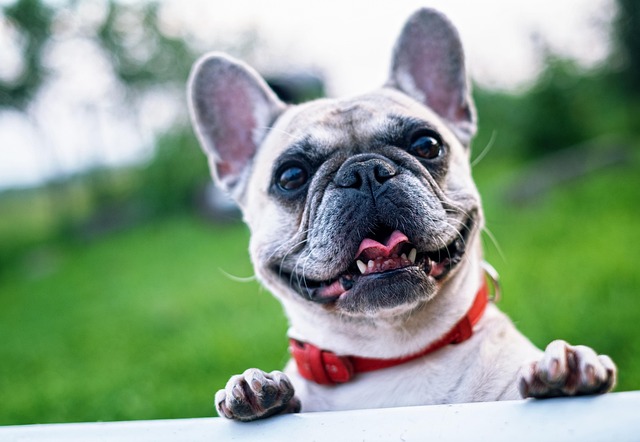
Most dog owners notice their pup scooting across the carpet at some point, but few connect it to impacted anal glands. These small sacs near a dog’s rectum secrete a scent for marking territory

Most vets agree that regular dog teeth cleaning is key to avoiding painful dental issues later. For healthy adult dogs, a professional cleaning at the vet’s office every 12 to 18 months usually works well.