

How can I tell if my dog's heatstroke is serious
Let’s be real: It’s a sticky August morning in Los Angeles, and you took your 2-year-old Golden Retriever, Max, for a walk a little later than usual
Picture your Cocker Spaniel shaking her head after a swim in your Miami condo pool, flinging coffee-colored wax onto your white walls. That gunk isn't just dirt—it's nature's protective barrier gone rogue in humid climates. Before grabbing cotton swabs (a hazardous move!), understand canine ear canals form sharp L-bends where wax traps debris. Pushing it deeper risks eardrum damage, especially for floppy-eared breeds in Florida's swampy summers.
Start with vet-approved science: Warm ear solution bottles under tap water for 30 seconds—cold liquid causes dizziness. Soak cotton pads in enzymatic cleaner, lift the ear flap like opening a book, and gently wipe visible crevices. If your rescue terrier resists, transform fear into cooperation: Massage ears while feeding chicken bits for three days before introducing liquid. For stubborn buildup, apply solution and massage the ear base—this liquefies wax for natural drainage. After Texas lake adventures, use ketoconazole solutions to prevent yeast explosions in moist canals.
Responsible care respects community standards. Always leash dogs during cleaning—a startled dash through Chicago high-rise hallways violates fire codes. Choose biodegradable solutions; alcohol-based products contaminate watersheds in cities like Seattle. Culturally, never scold dogs for head-shaking accidents on carpets—reward calm behavior with praise instead. Positive reinforcement builds trust better than restraint during uncomfortable procedures.
Apartment living demands smart adaptations: Clean during evening news when city noise dims, placing non-slip mats in tiny bathrooms. High-rise owners should mute phones to prevent startling vibrations. Service dog handlers schedule sessions before harness application—residue causes chafing during grocery runs. Always carry waste bags during post-cleaning walks; ear discomfort doesn't excuse skipping poop duty ($350 fines in Boston).
Recognize veterinary red flags: Dark wax resembling coffee grounds often signals mites. Foul odors suggest bacterial infections. During Portland's 2023 allergy season, ER vets treated eardrums ruptured by aggressive Q-tip use. If your dog tilts her head or paws at ears, seek immediate care—prescription drops resolve infections home methods can't touch.
Ultimately, safe ear maintenance balances vigilance and restraint. That contented sigh when your Spaniel nudges your hand? That's the quiet victory of patient, science-backed care—one gentle wipe at a time.
Let’s be real: It’s a sticky August morning in Los Angeles, and you took your 2-year-old Golden Retriever, Max, for a walk a little later than usual

You're enjoying a summer afternoon at the park when you notice your dog has stopped panting and appears disoriented - their gums are bright red

Let’s paint the picture: You’re in your Denver apartment, watching your 4-year-old Boston Terrier, Ruby, plop down mid-play session with her favorite toy

Many dog owners notice their pets nails seem shorter after regular walks,but how much does this daily activity actually help?The answer depends on where you walk—concrete sidewalks or asphalt streets gently file nails as a dog's paws hit the ground
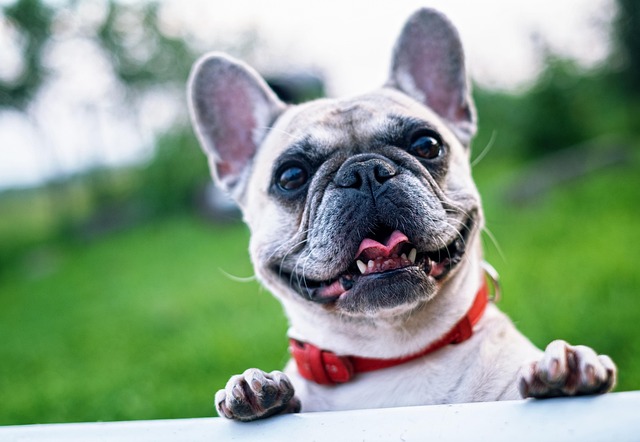
Most dog owners notice their pup scooting across the carpet at some point, but few connect it to impacted anal glands. These small sacs near a dog’s rectum secrete a scent for marking territory

Most vets agree that regular dog teeth cleaning is key to avoiding painful dental issues later. For healthy adult dogs, a professional cleaning at the vet’s office every 12 to 18 months usually works well.