
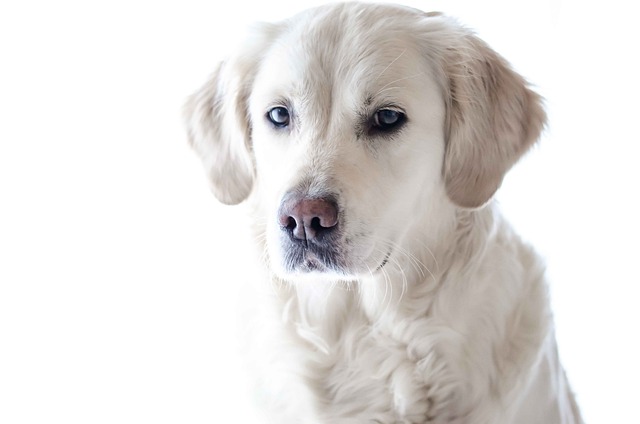
How can I tell if my dog's heatstroke is serious
Let’s be real: It’s a sticky August morning in Los Angeles, and you took your 2-year-old Golden Retriever, Max, for a walk a little later than usual
Husky owners often wonder about the right bathing schedule for their fluffy pups, and it’s easy to overdo it—these dogs have a double coat that’s designed to stay clean on its own. Most vets and groomers agree that bathing a husky too often strips their coat of natural oils, leading to dry skin and even shedding more. The sweet spot? Usually once every 2 to 3 months, but it can shift based on how messy they get.
A husky owner in Washington state learned this the hard way last winter—she bathed her dog weekly after snow hikes, and soon his coat started looking dull and patchy. Her local groomer explained that huskies’ undercoats trap dirt, but a quick brush (not a bath) is usually enough to clean them. In colder states like Minnesota, owners also note that frequent baths can make huskies more prone to hypothermia if their coats don’t dry fully.
States like Illinois and Massachusetts have animal welfare laws that require owners to keep pets clean, but “clean” doesn’t mean constant bathing. Neglecting basic grooming (like brushing) can lead to matting, which is painful for huskies and could result in a visit from animal control. The Humane Society adds that proper coat care—brushing 2-3 times a week—actually reduces the need for baths by keeping dirt and loose fur in check.
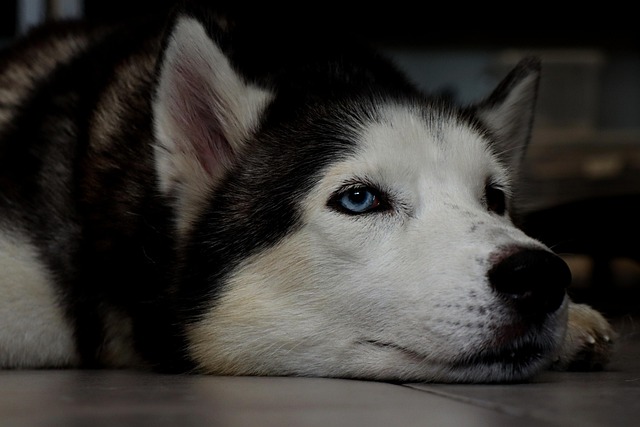 Watch for signs your husky does need a bath: if they roll in something smelly (like skunk spray or mud) that brushing can’t fix, or if their coat feels greasy to the touch. Use a dog-specific shampoo—human products are too harsh for their skin—and make sure to rinse thoroughly; leftover soap can irritate their double coat. After bathing, dry them completely with a towel or low-heat dryer to avoid chills.
Some owners skip baths entirely and rely on “dry shampoo” sprays for quick touch-ups, which works well for huskies who hate water. But remember: dry shampoo isn’t a replacement for a real bath when they’re truly dirty. Also, avoid bathing a husky right after exercise—their elevated body temperature can make the experience stressful, and their coat takes longer to dry.
The goal is to keep your husky clean without harming their coat or skin. Follow local grooming guidelines and listen to your dog—if they seem anxious about baths, space them out more. With the right schedule, your husky’s coat will stay shiny, and they’ll stay happy and healthy.
Let’s be real: It’s a sticky August morning in Los Angeles, and you took your 2-year-old Golden Retriever, Max, for a walk a little later than usual
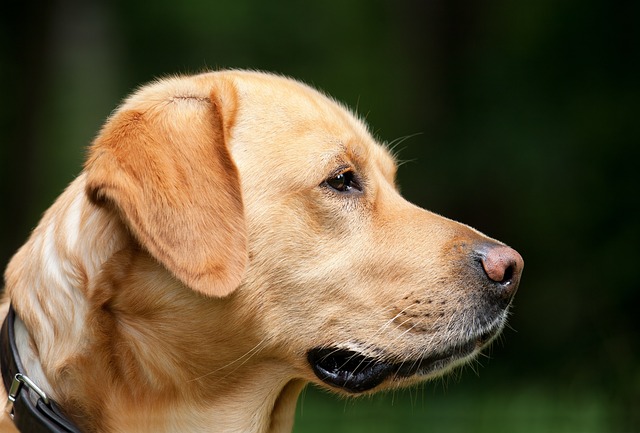
You're enjoying a summer afternoon at the park when you notice your dog has stopped panting and appears disoriented - their gums are bright red
Let’s paint the picture: You’re in your Denver apartment, watching your 4-year-old Boston Terrier, Ruby, plop down mid-play session with her favorite toy

Many dog owners notice their pets nails seem shorter after regular walks,but how much does this daily activity actually help?The answer depends on where you walk—concrete sidewalks or asphalt streets gently file nails as a dog's paws hit the ground
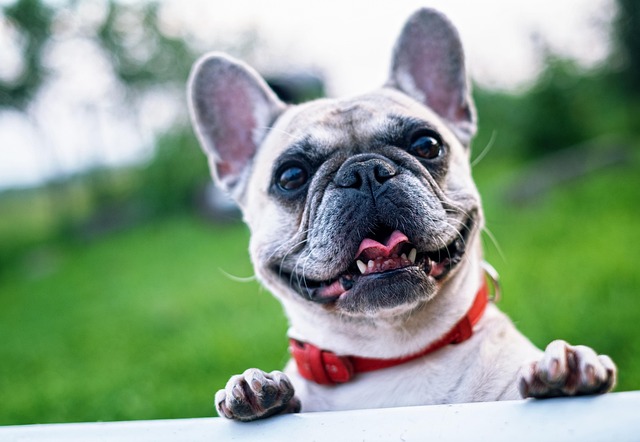
Most dog owners notice their pup scooting across the carpet at some point, but few connect it to impacted anal glands. These small sacs near a dog’s rectum secrete a scent for marking territory
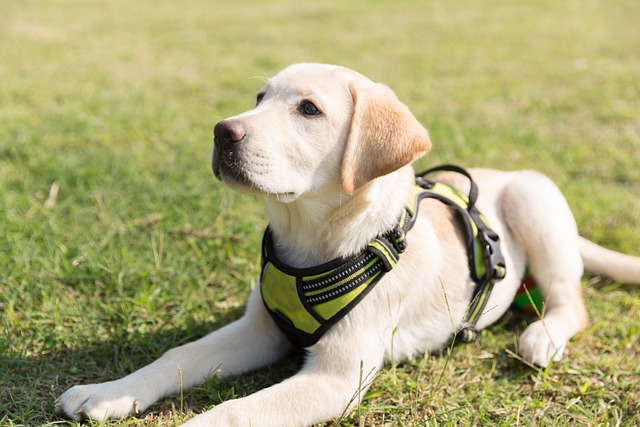
Most vets agree that regular dog teeth cleaning is key to avoiding painful dental issues later. For healthy adult dogs, a professional cleaning at the vet’s office every 12 to 18 months usually works well.