

How can I tell if my dog's heatstroke is serious
Let’s be real: It’s a sticky August morning in Los Angeles, and you took your 2-year-old Golden Retriever, Max, for a walk a little later than usual
Poodles are known for their distinctive curly coats, which set them apart from many other dog breeds. Unlike breeds with straight or short fur, Poodles have dense, tightly curled hair that grows continuously, much like human hair. This unique texture means their grooming needs are more complex—requiring regular maintenance to prevent matting and tangling. But their skin is just as important as their coat. Poodles often have sensitive skin prone to dryness or irritation, making the question of how often to wash them a critical one for their overall health.
Many owners assume that frequent washing keeps a Poodle’s coat clean and fresh, but this can actually do more harm than good. Bathing too often strips away the natural oils that protect their skin and fur, leading to dryness, itching, and even infections. Some well-meaning owners wash their Poodles weekly, not realizing that this disrupts the delicate balance of their skin microbiome. Others rely heavily on scented shampoos, which can further irritate sensitive skin. The truth is, Poodles don’t need baths as often as people think—unless they’ve rolled in something particularly unpleasant.
Research and expert groomers agree that overwashing is a common issue for Poodles. A study published in the Journal of Veterinary Dermatology found that excessive bathing can weaken the skin barrier, making dogs more susceptible to allergens and environmental irritants. Professional groomers often recommend spacing out baths to preserve the coat’s natural moisture. The ideal washing frequency for Poodles depends on several factors, including their activity level, environment, and any existing skin conditions. A Poodle that spends most of its time indoors will need fewer baths than one that loves muddy hikes.
For most Poodles, a bath every 3 to 6 weeks strikes the right balance between cleanliness and skin health. Show Poodles may require more frequent grooming to maintain their coat’s appearance, but pet Poodles can often go longer between washes. Using a gentle, hypoallergenic shampoo is crucial—avoid products with harsh chemicals or artificial fragrances. If your Poodle gets dirty between baths, a quick rinse with water or a light application of dry shampoo can help without stripping essential oils. Always brush their coat thoroughly before bathing to prevent tangles from worsening when wet.
Between baths, regular brushing is key to keeping a Poodle’s coat in top condition. Daily brushing removes loose hair, prevents mats, and distributes natural oils evenly. A slicker brush or comb designed for curly coats works best. Some owners also use leave-in conditioners or coconut oil to moisturize the skin and fur. Pay attention to your Poodle’s skin—if it becomes flaky or red, you may need to adjust your grooming routine. Remember, a healthy coat starts with healthy skin, so less can often be more when it comes to washing.
Ultimately, the best washing schedule for your Poodle is one that prioritizes their skin and coat health over rigid routines. Observe how their skin reacts after baths—if they seem itchy or uncomfortable, you may be washing them too often. Every Poodle is different, and factors like allergies, age, and climate play a role. By focusing on gentle care and listening to your dog’s needs, you’ll keep their coat looking beautiful without compromising their wellbeing. A well-maintained Poodle isn’t just about aesthetics—it’s about comfort and health.
Let’s be real: It’s a sticky August morning in Los Angeles, and you took your 2-year-old Golden Retriever, Max, for a walk a little later than usual
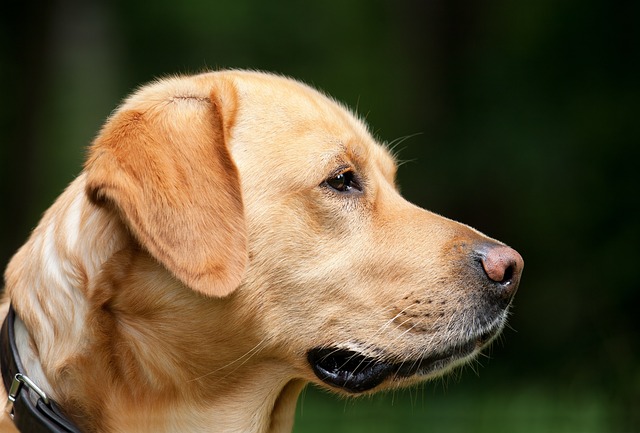
You're enjoying a summer afternoon at the park when you notice your dog has stopped panting and appears disoriented - their gums are bright red
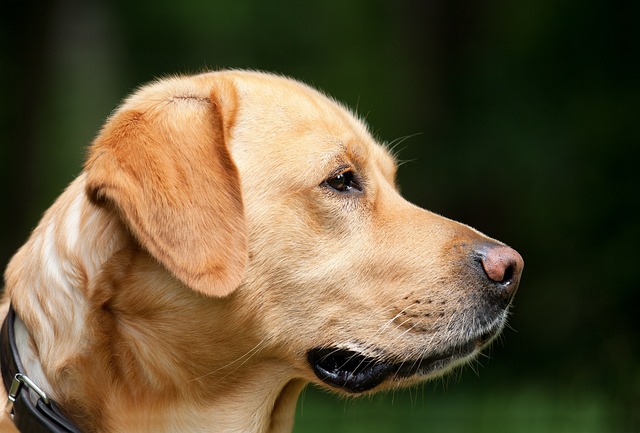
Let’s paint the picture: You’re in your Denver apartment, watching your 4-year-old Boston Terrier, Ruby, plop down mid-play session with her favorite toy

Many dog owners notice their pets nails seem shorter after regular walks,but how much does this daily activity actually help?The answer depends on where you walk—concrete sidewalks or asphalt streets gently file nails as a dog's paws hit the ground
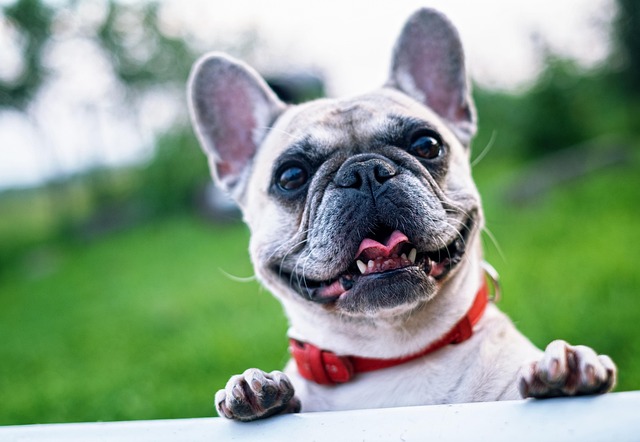
Most dog owners notice their pup scooting across the carpet at some point, but few connect it to impacted anal glands. These small sacs near a dog’s rectum secrete a scent for marking territory

Most vets agree that regular dog teeth cleaning is key to avoiding painful dental issues later. For healthy adult dogs, a professional cleaning at the vet’s office every 12 to 18 months usually works well.