
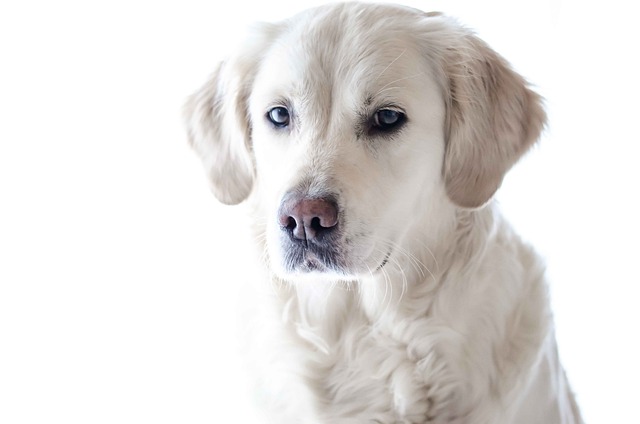
How can I tell if my dog's heatstroke is serious
Let’s be real: It’s a sticky August morning in Los Angeles, and you took your 2-year-old Golden Retriever, Max, for a walk a little later than usual
Huskies have that thick, double coat that keeps them cozy in cold weather—but it also means regular grooming is a must. You’ll notice they shed more seasonally, so staying on top of it prevents loose fur from taking over your home. Always pick grooming tools that meet local pet product safety standards; it’s a small step but matters for both your dog’s comfort and compliance.
Start with a slicker brush to work through the top coat and loosen any tangles. Be gentle around sensitive areas like the belly and legs—Huskies have soft skin under all that fur, and rough brushing can irritate them. Spend a little extra time on areas where matting tends to happen, like behind the ears or under the armpits.
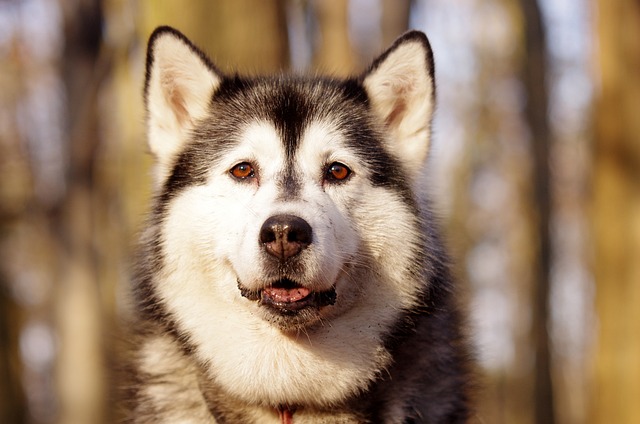 Next, use an undercoat rake to get to the dense underlayer. This is key for reducing shedding, especially during spring and fall when they blow their coat. Go in the direction of hair growth, and don’t press too hard—you want to remove dead fur, not pull at healthy strands. If you hit a tough mat, use a dematting tool carefully instead of yanking.
After brushing, take a few minutes to check your Husky’s skin. Look for red spots, dry patches, or any signs of parasites—early detection makes a big difference. Wipe their paws with a damp cloth too, especially if you’ve been outside; it gets rid of dirt and keeps their coat clean longer. Avoid over-bathing, though—Huskies’ coats have natural oils that too much water can strip away.
If you’re not sure about handling a matted coat or notice something off with their skin, don’t hesitate to visit a professional groomer. Many areas have groomers who specialize in double-coated breeds, so they’ll know exactly how to care for your Husky without causing stress. It’s also a good way to make sure you’re following any local guidelines for pet care.
Grooming isn’t just about keeping your Husky looking neat—it’s a chance to bond with them too. Most Huskies love the attention, especially if you keep the sessions calm and positive. With consistent care, their coat will stay healthy, and you’ll both enjoy those snuggle sessions without the extra fur sticking to everything.
Let’s be real: It’s a sticky August morning in Los Angeles, and you took your 2-year-old Golden Retriever, Max, for a walk a little later than usual
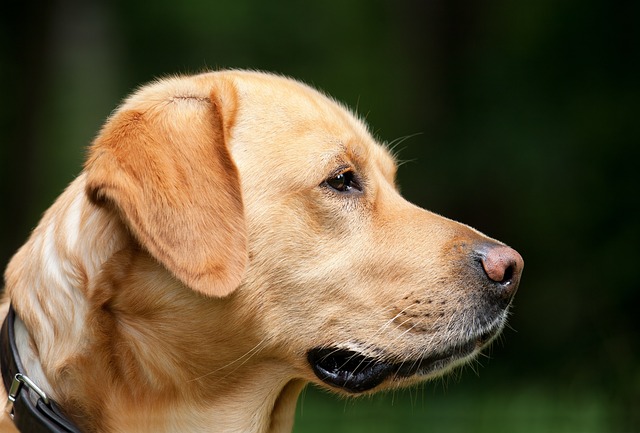
You're enjoying a summer afternoon at the park when you notice your dog has stopped panting and appears disoriented - their gums are bright red
Let’s paint the picture: You’re in your Denver apartment, watching your 4-year-old Boston Terrier, Ruby, plop down mid-play session with her favorite toy

Many dog owners notice their pets nails seem shorter after regular walks,but how much does this daily activity actually help?The answer depends on where you walk—concrete sidewalks or asphalt streets gently file nails as a dog's paws hit the ground
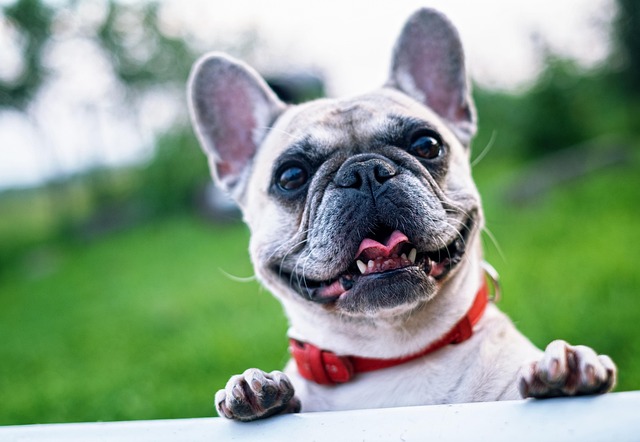
Most dog owners notice their pup scooting across the carpet at some point, but few connect it to impacted anal glands. These small sacs near a dog’s rectum secrete a scent for marking territory
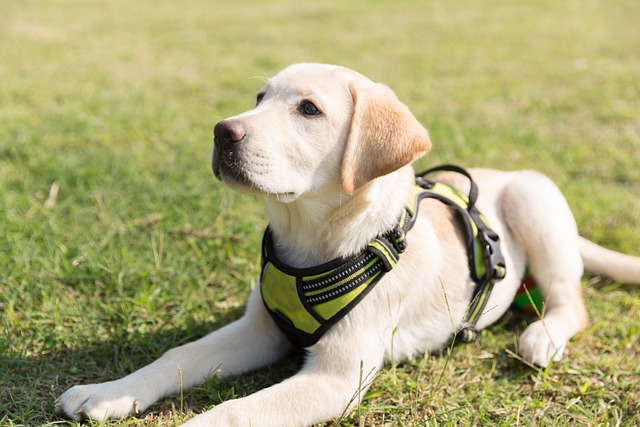
Most vets agree that regular dog teeth cleaning is key to avoiding painful dental issues later. For healthy adult dogs, a professional cleaning at the vet’s office every 12 to 18 months usually works well.