
What is glaucoma in a dog?
You might notice your dog squinting more at mealtime or avoiding bright sunlight—these small changes could be early signs of a serious eye condition.
Your golden retriever stumbles during an afternoon walk in Austin, tongue swollen and gums deep red – a terrifying sign of overheating that’s frighteningly common during U.S. heatwaves. Unlike humans who sweat freely, dogs rely on minimal paw pad sweat glands and inefficient panting, making them dangerously vulnerable in temperatures above 85°F. Brachycephalic breeds like pugs face higher risks – their narrowed airways can swell shut in minutes on humid New Orleans evenings. Spotting early warnings is critical: thick drool strings, frantic digging at cool tiles, or confusion near your apartment’s mailroom signal urgent intervention before organ damage occurs.
Veterinary science reveals dogs absorb heat faster than they release it – especially on urban "heat islands" where Phoenix asphalt hits 140°F by noon. Their evolutionary prey drive overrides self-preservation instincts, meaning they’ll chase balls until collapsing. Thermography studies show major arteries in the neck, groin, and paw pads offer the fastest cooling pathways when targeted correctly.
Start cooling efforts immediately by leading your dog to shaded grass – never icy concrete which triggers shock. Soak towels in cool (not cold) water mixed with peppermint oil (5 drops per cup) and drape them over their belly and inner thighs where blood vessels cluster. Offer tiny licks of electrolyte-enhanced ice cubes made from low-sodium broth while massaging paw pads to stimulate circulation. For apartment dwellers, create a "cool zone" by running bathroom exhaust fans to pull heat out and laying ceramic tiles chilled in your freezer – rotate them hourly as your dog rests belly-down. Avoid strenuous games; instead, hide frozen blueberries in muffin tins under towels for mental stimulation that keeps them still.
Responsible cooling intersects with U.S. legal and cultural norms. Leaving dogs in parked cars remains illegal in 32 states – Tennessee issues felonies if injury occurs – yet over 100 pets die this way annually. Culturally, scolding heat-induced anxiety worsens distress; instead, reward calm panting with frozen peanut butter smears on cooling mats using positive reinforcement. During essential potty breaks, test pavement with your bare elbow – if you can’t hold it for 7 seconds, it burns paws. Always carry waste bags since summer heat accelerates bacterial growth in community lawns; Chicago fines exceed $500 for violations. Respect leash laws in shared spaces – overheated dogs may snap unexpectedly near dog-friendly Austin cafes.
Remember prevention is community care: Walk before 8 AM using cooling vests soaked in water, and never let pets drink from public fountains where parasites lurk. One final tip from Phoenix vets: Apply alcohol-free aloe vera to paw pads after walks – it soothes burns while enhancing heat release through those critical sweat glands.
You might notice your dog squinting more at mealtime or avoiding bright sunlight—these small changes could be early signs of a serious eye condition.
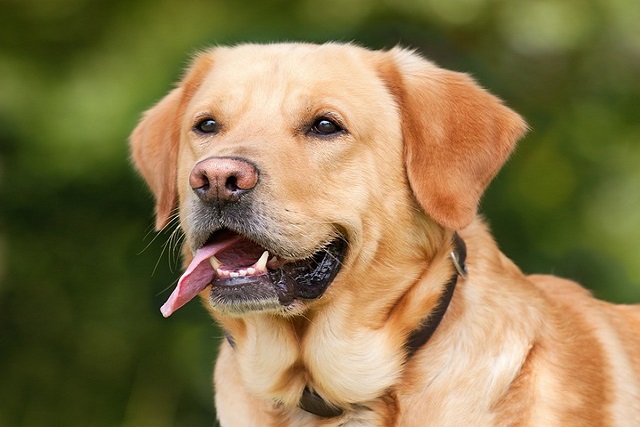
Let’s set the scene: It’s a sweltering Phoenix afternoon—105°F outside—and you rushed your 2-year-old Lab mix, Cooper, on a quick walk to “get it over with.”
Let’s get real: You’re in your Miami apartment, watching your 3-year-old Corgi, Loki, struggle to climb the stairs to your second-floor unit.
Many dog owners brush off occasional scratching as just “dog behavior,” but persistent itching often signals something more—like a food allergy.
You might first notice your dog scratching more than usual—chewing at their paws until the fur looks thin, or rubbing their face against the couch nonstop.
Let’s be real: You’re standing in your Chicago apartment, watching your 3-year-old Beagle, Max, huff and puff just to climb onto the couch.