
How do i train my dog to be obedient?
Watching your dog dart across the park ignoring your calls isn’t just frustrating—it can put them at risk near busy streets or public spaces.
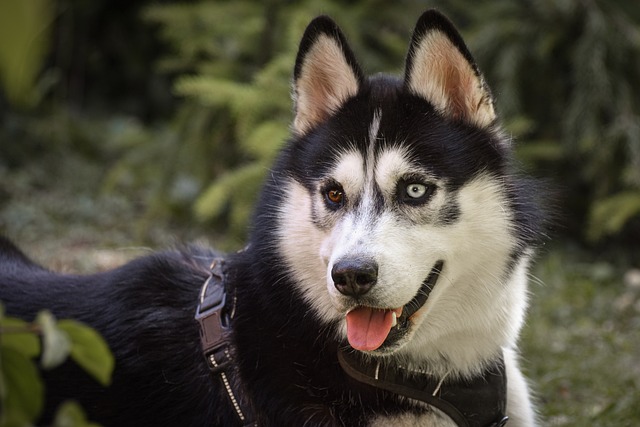
Walk into any dog park, and you’ll hear Husky owners swapping stories—usually with a mix of laughter and frustration. Those piercing blue eyes and fluffy coats make them instant favorites, but when it comes to potty training, the tales take a turn. New owners often lean in, asking the same question: are these dogs really that much harder to housebreak? The answer, like the breed itself, isn’t straightforward.
Potty training any dog has challenges, but Huskies bring unique ones. These striking, energetic dogs—bred for self-reliance in sled-pulling—can be stubborn about designated spots. They might glance at you mid-accident, then dart off, leaving a mess. Whether they’re harder to train depends entirely on your approach.
Timing and consistency are key. Puppies under six months need frequent outdoor trips: morning, after meals, naps, play. Huskies thrive on routine—skip a session, and they’ll take charge. Unlike guilt-prone breeds, they stay unfazed by accidents, making reinforcement trickier. Stick to positive rewards: tiny treats or a quick tug game post-success. Yelling? It links potty time to stress, making them hide to go—turning your couch into a minefield.
 Urban dwellers in Europe and North America face extra hurdles. Many cities fine owners who don’t clean up dog waste, and indoor accidents can break rental rules. Apartment living means planning frequent outings, tough in bad weather. Huskies don’t mind cold, but rushing their “spot” search breeds frustration. Puppy pads work temporarily, but Huskies quickly connect them to bathroom time—breaking that habit is tough, especially where laws require outdoor relief.
Socialization helps too. As pack animals, Huskies learn from other dogs—well-trained seniors speed progress, while unruly ones teach bad habits. Their strong prey drive can derail potty breaks—birds or cats spark chases. Keep them leashed until reliable to stay focused.
So, is it hard? More challenging than some breeds, but doable. With patience, routine, and positive reinforcement, most Huskies master it by 6–8 months. They’re smart and eager to please—just need to see the point of proper potty spots, with rewards they care about. That moment when they paw the door, then go correctly? Priceless. And don’t forget the pooper scooper—neighbors and police will appreciate it.
Watching your dog dart across the park ignoring your calls isn’t just frustrating—it can put them at risk near busy streets or public spaces.

New puppy owners often find themselves rushing to clean up accidents before they set in, and that’s where puppy pad training becomes a game-changer.
If you've noticed your dog's waistline disappearing and your veterinarian has mentioned those few extra pounds, your first instinct might be to simply reduce the amount of food in their bowl.

Training a dog to use a designated spot indoors isn’t as daunting as many new owners fear, but it does take consistency and an understanding of your pet’s needs.
That moment of dread on a walk is all too familiar for many new dog owners. You see another dog approaching down the sidewalk of your neighborhood
If the sight of another dog on your neighborhood walk makes your heart sink as your own dog erupts into a frenzy of barking and lunging, you're not alone.