
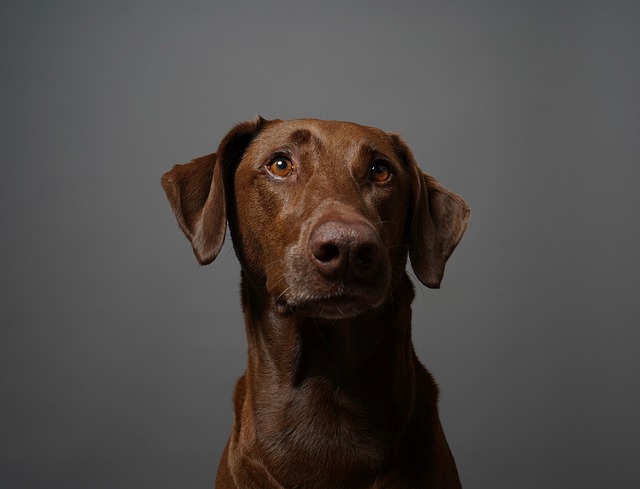
What is glaucoma in a dog?
You might notice your dog squinting more at mealtime or avoiding bright sunlight—these small changes could be early signs of a serious eye condition.
Imagine this: You’re sorting through Halloween candy, and your curious Cocker Spaniel sneaks a square of dark chocolate off the counter. An hour later, you find her lapping at her water bowl like it’s the last drop on Earth. Why do dogs drink a lot of water after eating chocolate? It’s a question that’s crossed the mind of many new dog owners, from Boston apartments to rural Texas farms, when their pup’s sudden thirst follows a chocolate mishap.
Chocolate’s troublemaker is a compound called theobromine, which dogs can’t break down as easily as humans. Think of it as a chemical that revs up their bodies—speeding their heart, making their kidneys work overtime to flush it out. All that extra kidney activity means more peeing, which dries them out fast. That’s why your dog suddenly can’t get enough water: their body is begging to replace what’s being lost. Last month, my neighbor’s Lab mix, Max, stole a handful of chocolate chips. By evening, he’d drained his bowl three times, and his vet said it was his body’s way of fighting the theobromine’s effects.

If you catch your dog chugging water after chocolate, act fast. First, note how much they ate and what kind—dark or baking chocolate is far riskier than milk chocolate. Call your vet or the ASPCA Poison Control right away; even if they seem “fine,” theobromine can linger. Offer fresh water, but don’t force them to drink—stress makes things worse. Keep an eye out for other red flags: restlessness, vomiting, or a racing pulse. My sister’s Poodle, Lucy, showed no symptoms until 12 hours later, when she started shaking—prompt vet care saved her.
Now, let’s tie this to being a responsible owner. In every U.S. state, rabies vaccines are non-negotiable—even a healthy pup needs them, and a sick dog is more vulnerable. When you’re out walking, that poop bag isn’t optional. In Denver, skipping it can cost $100, and in Portland, it’s a $250 fine. Apartment dwellers, take note: Store chocolate (and all sweets) in high cabinets—those counter-surfing pups will find a way. And if your dog does sneak a snack, never scold or hit. Positive training works better: Praise them when they ignore forbidden foods, and keep treats handy to redirect their focus.
At the end of the day, that sudden thirst is your dog’s body sending a signal. Listen to it, act quickly, and keep those chocolate stashes out of reach. Your pup’s health (and your peace of mind) depend on it.
You might notice your dog squinting more at mealtime or avoiding bright sunlight—these small changes could be early signs of a serious eye condition.
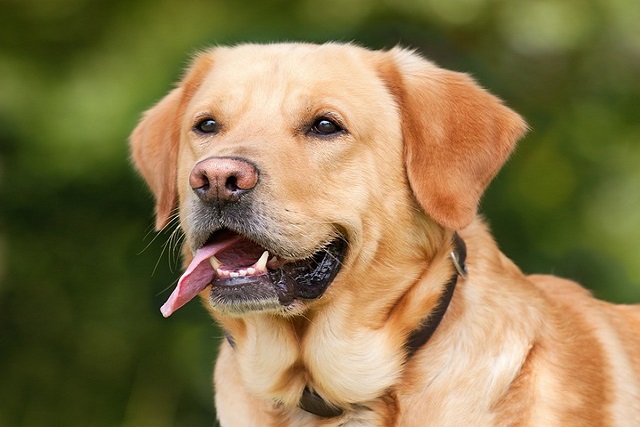
Let’s set the scene: It’s a sweltering Phoenix afternoon—105°F outside—and you rushed your 2-year-old Lab mix, Cooper, on a quick walk to “get it over with.”
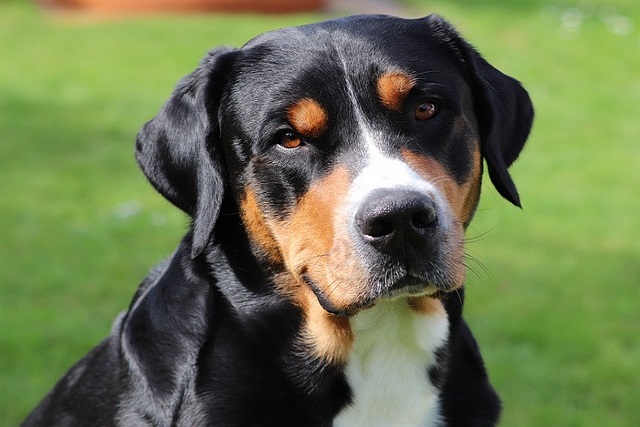
Let’s get real: You’re in your Miami apartment, watching your 3-year-old Corgi, Loki, struggle to climb the stairs to your second-floor unit.
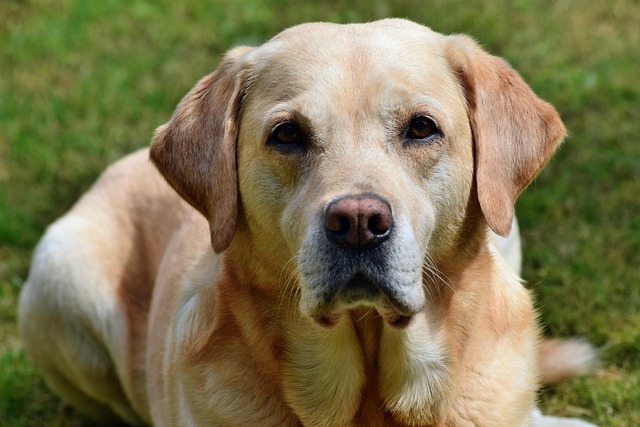
Many dog owners brush off occasional scratching as just “dog behavior,” but persistent itching often signals something more—like a food allergy.
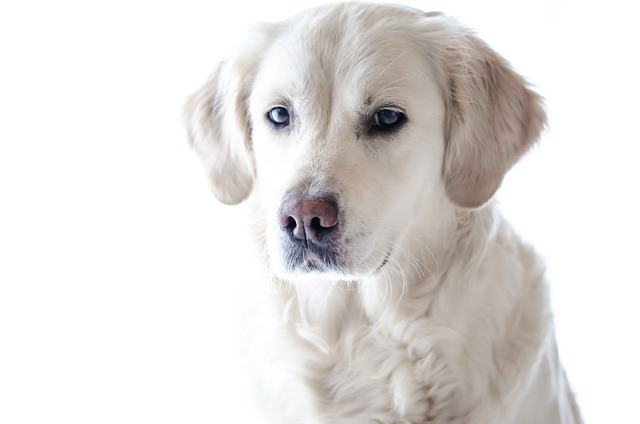
You might first notice your dog scratching more than usual—chewing at their paws until the fur looks thin, or rubbing their face against the couch nonstop.
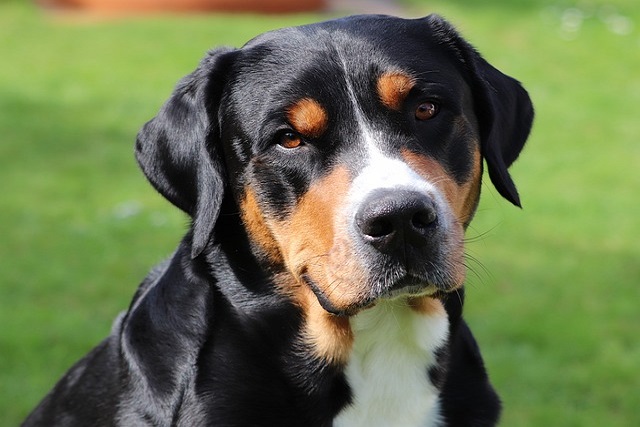
Let’s be real: You’re standing in your Chicago apartment, watching your 3-year-old Beagle, Max, huff and puff just to climb onto the couch.