
How do i train my dog to be obedient?
Watching your dog dart across the park ignoring your calls isn’t just frustrating—it can put them at risk near busy streets or public spaces.
The relationship between humans and dogs is a unique blend of loyalty and love. Teaching your dog to place their paw in your hand is more than just a cute party trick—it’s a powerful way to deepen that connection and showcase the trust between you two. Ready to turn this adorable idea into reality? Let’s explore how to make the training process smooth and enjoyable for both you and your furry friend.
Begin by setting the right stage. Choose a quiet area free from distractions where your dog feels safe and relaxed. Since dogs are sensitive to our emotions, approach the training with patience and enthusiasm. Stock up on small, irresistible treats like bite-sized chicken or cheese cubes. These treats will be the key rewards that motivate your dog and make the learning experience fun.
 Kickstart the training by getting your dog’s focus. Softly call their name, and when they look your way, hold a treat close to your open palm, but not too high. As they nuzzle or sniff your hand, introduce the command “paw” in a warm, encouraging voice. If your dog hesitates to lift their paw, gently touch the bottom of it. Once they respond, immediately say “paw,” give the treat, and shower them with praise. A cheerful “good job” and a head rub will reinforce that they’ve done something right.
Consistency is crucial for success. Keep training sessions brief, around 5 - 10 minutes per day, to prevent your dog from getting overwhelmed or losing interest. Repeat the verbal cue and, if needed, the gentle touch. Over time, your dog will start associating the word “paw” with the action of placing their paw in your hand. Remember, every dog learns at their own speed, so stay patient and focus on the bonding experience.
As your dog gets more comfortable, gradually reduce the physical guidance. Simply extend your hand and use the “paw” command. When they offer their paw independently, celebrate big! Treat, praise, and show your excitement. Always end each session on a positive note, even if it’s just one successful try. Before long, your dog will offer their paw instinctively, whether it’s for a friendly greeting or a special moment of connection, strengthening your bond one paw - shake at a time.
Watching your dog dart across the park ignoring your calls isn’t just frustrating—it can put them at risk near busy streets or public spaces.
New puppy owners often find themselves rushing to clean up accidents before they set in, and that’s where puppy pad training becomes a game-changer.
If you've noticed your dog's waistline disappearing and your veterinarian has mentioned those few extra pounds, your first instinct might be to simply reduce the amount of food in their bowl.
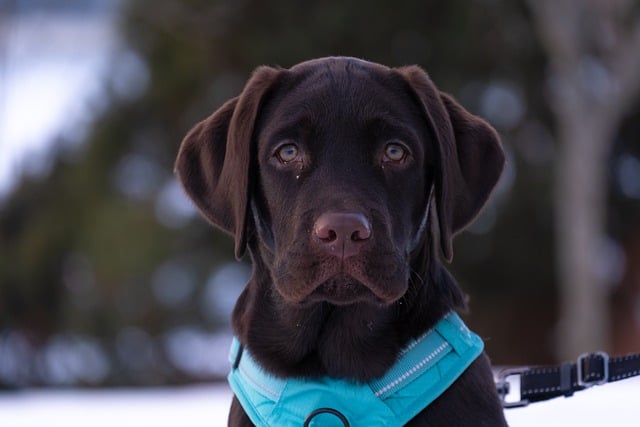
Training a dog to use a designated spot indoors isn’t as daunting as many new owners fear, but it does take consistency and an understanding of your pet’s needs.
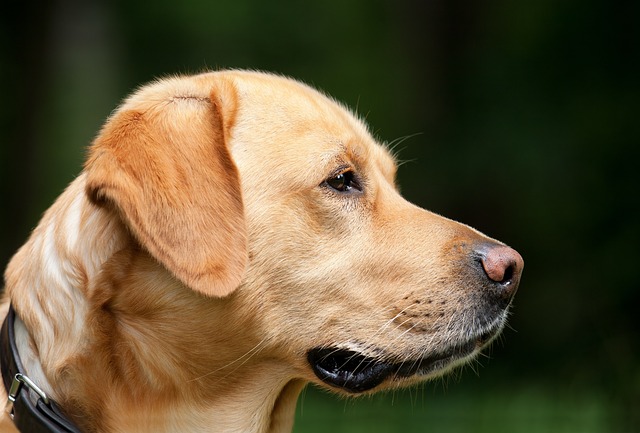
That moment of dread on a walk is all too familiar for many new dog owners. You see another dog approaching down the sidewalk of your neighborhood
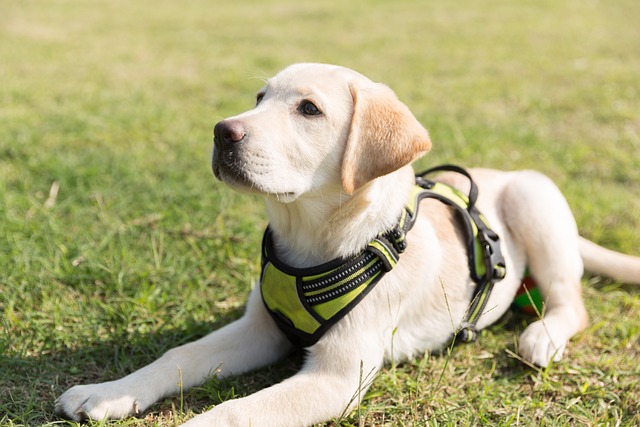
If the sight of another dog on your neighborhood walk makes your heart sink as your own dog erupts into a frenzy of barking and lunging, you're not alone.